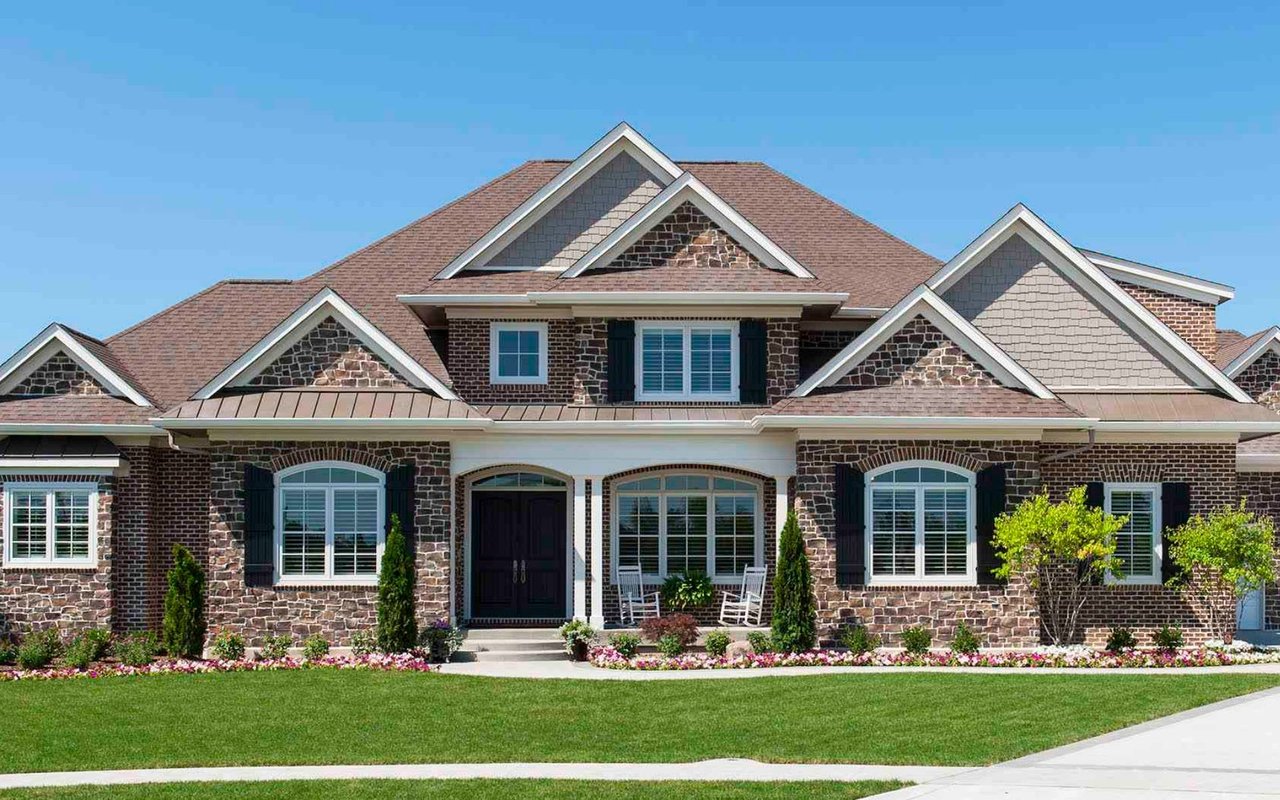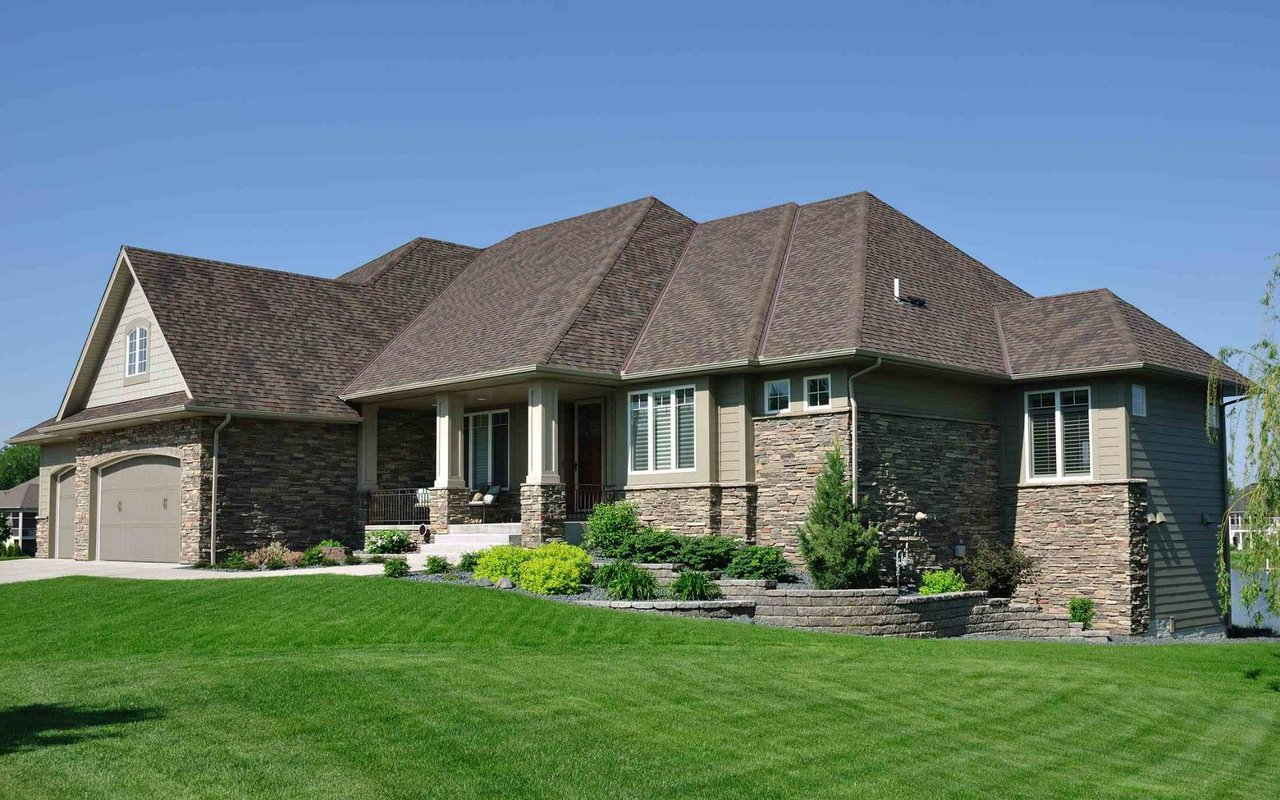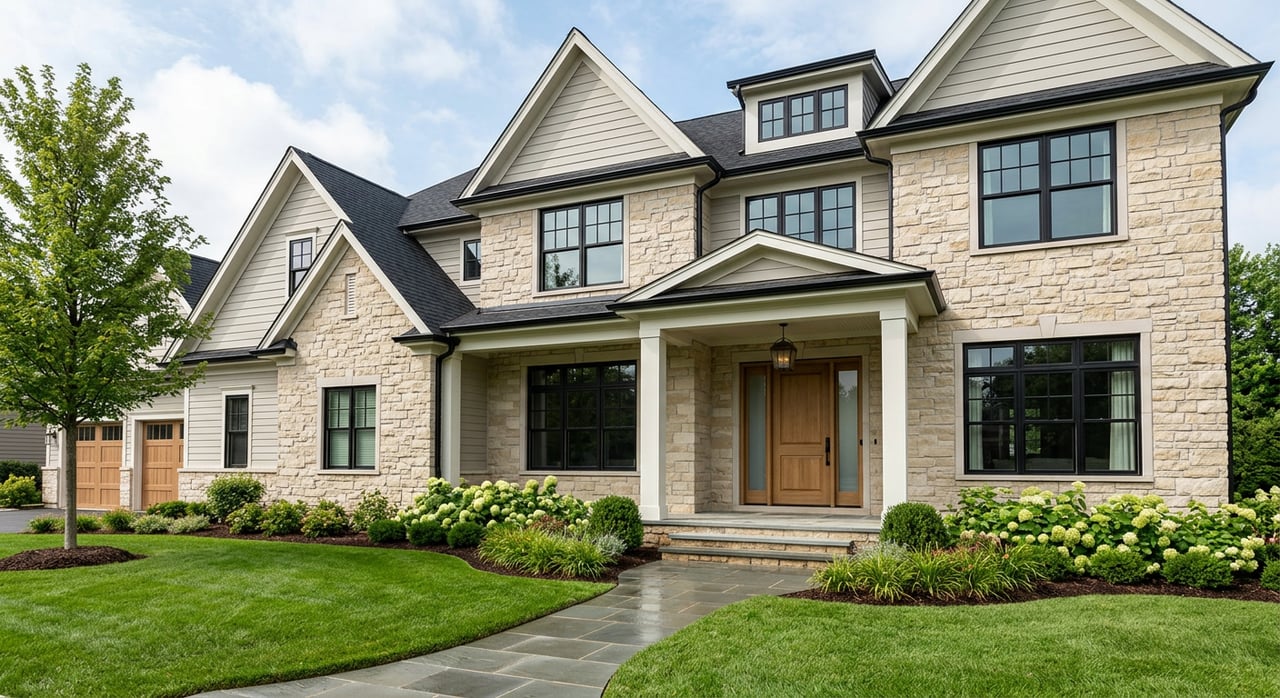
If you want space, privacy, and a modern floor plan within minutes of Saucon Valley amenities, the new construction estates in Southern Lehigh Valley deserve a close look. Choosing between a just‑built estate and the character of Coopersburg’s older homes can feel complex. In this guide, you’ll see where new estates cluster, who is building them, what features and lot rules to expect, how HOAs and utilities work, and how they compare to historic options. Let’s dive in.
Southern Lehigh estate snapshot
Southern Lehigh generally refers to Coopersburg borough plus Upper Saucon and Lower Milford Townships, which are served by the Southern Lehigh School District. For context, the district serves Coopersburg, Lower Milford, and Upper Saucon, which is why buyers often compare homes across these three municipalities when shopping estates. You can confirm the district’s coverage on the Southern Lehigh School District overview page.
As of March 2026, estate‑style new construction in Upper Saucon and nearby Weyhill/Blue Ridge commonly prices in the high six figures into seven figures, depending on lot size and finishes. Regionwide median prices have risen in recent years, so use the latest Greater Lehigh Valley Realtors report for current trends and context. Price bands change quickly in this segment, so it’s smart to review fresh MLS comparables before you bid.
Quick takeaways for this market:
- Estate lots often range from roughly 0.5 to 2+ acres, shaped by local low‑density zoning.
- R‑1 standards in Upper Saucon emphasize large lots and conservation‑minded design. Review the township’s Ordinance 141 for details.
- Popular estate pockets include Blue Ridge/Saucon Ridge, Weyhill/Weyhill Woods, and the Locust Valley area that straddles Lehigh and Bucks.
Where estates cluster
You’ll see most new estates in Upper Saucon Township neighborhoods such as Blue Ridge/Saucon Ridge and the Weyhill area, plus custom‑home sites in Weyhill Woods and around Center Valley. The Locust Valley area includes communities that touch both Lehigh and Bucks counties; when a development straddles county lines, rules and utility arrangements can differ, so always confirm the parcel’s municipal assignment before you quote taxes or permits. For an example of a community in this pocket, review the Traditions of America at Locust Valley HOA site.
If you are comparing Coopersburg addresses, remember that a postal address may be outside the borough limits. Municipal boundaries affect taxes, services, and approvals, so verify where a parcel sits before estimating carrying costs.
Who is building
National and regional builders
- Lennar has been active with large single‑family homes in the Blue Ridge/Saucon Ridge area, often advertising included finish packages and connected‑home features.
- Toll Brothers has delivered high‑end homes around Weyhill with luxury finishes and larger lots. Their Saucon‑area materials highlight lifestyle and amenity access.
- NVR/NVHomes has a historical presence in nearby master‑planned subdivisions. You’ll see these homes in resale and they help set expectations for layout and finishes.
Local and custom firms
Local custom builders, including firms like Monogram Custom Homes and smaller regional shops, take on private lots and small subdivisions. Custom routes usually offer more flexibility on plans and materials, with fewer standardized incentives than big production builders. Always verify what is standard, what is optional, and how warranties are structured before you sign.
Features and finishes to expect
Layout and design
New estates here typically favor open‑plan great rooms, 9‑foot‑plus ceilings, hardwood or engineered hardwood on the main level, and large kitchen islands with quartz or granite. You’ll commonly see 42‑inch painted cabinetry, tile floors in baths and laundry, stainless appliances, and finish‑ready or finished basements. Three‑car garages, first‑floor offices, and optional first‑floor suites are frequent plan choices.
Energy and smart‑home systems
Expect modern HVAC, high‑efficiency windows, improved insulation, and prewiring for smart‑home features. Many builders offer EV‑ready wiring options. For a neutral overview of typical efficiency upgrades and benefits in new homes, review ENERGY STAR’s guidance for new construction.
Warranties and coverage
Most production builders use a familiar “1‑2‑10” model: one year for workmanship, two for mechanical systems, and ten for structural coverage. Some programs are third‑party insured, while others are builder‑backed, so ask who stands behind the policy. If a structural warranty matters to you, request the actual coverage document during negotiation.
Lots, zoning, and utilities
Lot size and zoning
Upper Saucon’s R‑1 standards and low net density shape the estate feel buyers notice. Ordinance 141 outlines dimensional requirements and density limitations, which help explain why many parcels run from about half an acre to over two acres. Larger, wooded, or view lots typically command premiums.
Utilities and permits
Parts of Upper Saucon are served by municipal water and sanitary sewer, while other estate parcels rely on private wells and on‑lot septic. Confirm service availability at the parcel level with the township’s Water & Sewer Department and the seller’s disclosures. Lower Milford has its own zoning and subdivision rules, so you should also review that township’s ordinances when evaluating a lot or a custom build.
When comparing a buildable lot to a move‑in new home, use this quick checklist:
- Water/sewer: public connections available or well/septic required.
- Sitework: grading, stormwater, and any erosion controls still needed.
- Access: driveway design, slope, and sightlines to the road.
- Permits: building, grading, and, if needed, septic permits or connection agreements.
- Timeline: realistic estimate for approvals, utilities, and construction start.
HOAs, covenants, and maintenance
Estate neighborhoods here range from no‑HOA streets to full‑amenity communities and 55+ neighborhoods with robust services. HOAs can cover landscaping, snow removal, trash, and clubhouse amenities, along with architectural standards that protect a consistent look. As a reference point for rules and amenities, see the community information published by the Traditions of America at Locust Valley HOA.
Before you commit, request and review:
- Recorded covenants, conditions, and restrictions.
- Current rules, architectural guidelines, and any design‑review process.
- Fee schedule and what services are included.
- Recent board minutes and reserve information for insight into upcoming projects.
New construction vs. historic Coopersburg
New estates trade charm for convenience. You gain modern floor plans, code‑level efficiency, and typically lower near‑term maintenance, which can be especially compelling if you value energy performance. ENERGY STAR’s new‑home materials outline the kinds of improvements and benefits you can expect in a high‑efficiency build.
Historic Coopersburg homes offer established streetscapes, mature landscaping, and proximity to borough amenities. They often sit on smaller lots and may require more ongoing maintenance. For context on the borough’s historic fabric, you can read about the Coopersburg Historic District.
On resale value, newer systems and layouts can command a premium, but appraisals are driven by recent comparables. Reviewing both new‑build estate sales and nearby historic resales in the Southern Lehigh footprint will help you gauge long‑term value with confidence.
A smart buying game plan
- Define priorities: lot size, privacy, commute, and desired timeline.
- Confirm the municipality and school district for any address you consider.
- Run fresh comps: recent estate sales and active inventory in Southern Lehigh.
- Tour models and spec homes to compare standard vs. upgrade packages.
- Verify utilities and sitework early to avoid delays and surprise costs.
- Review HOA documents before you go under contract.
- Align your financing and appraisal strategy with current GLVR data.
When you are ready to explore new construction estates in Southern Lehigh, connect with the local experts who work this segment every day. For curated options, off‑market insight, and white‑glove representation, reach out to The Rebecca Francis Team. Request a private consultation and move forward with clarity.
FAQs
What areas define “Southern Lehigh” for new estates?
- Southern Lehigh typically includes Coopersburg, Upper Saucon, and Lower Milford within the Southern Lehigh School District, which serves these three municipalities.
How are estate prices trending in 2026 around Coopersburg?
- As of March 2026, new estates in Upper Saucon and nearby areas often list in the high six figures into seven figures, while GLVR reports show regionwide median prices have risen in recent years.
How do utilities affect build cost in Upper Saucon and Lower Milford?
- Parcels on municipal water/sewer can simplify approvals and reduce risk, while lots requiring well and septic add time and expense. Confirm availability with Upper Saucon’s Water & Sewer Department and review Lower Milford’s ordinances for lot‑specific rules.
What should you review before buying in an HOA community near Coopersburg?
- Ask for covenants, rules, architectural guidelines, fee schedules, and recent board minutes; these documents clarify services, design controls, and any upcoming projects. The Locust Valley HOA site shows the type of information many communities provide.
How do zoning rules shape lot sizes for estates in Upper Saucon?
- Upper Saucon’s R‑1 standards limit density and set dimensional minimums, which leads to larger lots and the estate feel many buyers seek.
Are new construction estates more energy‑efficient than older homes in Coopersburg?
- New builds typically include improved insulation, efficient HVAC, and high‑performance windows; ENERGY STAR outlines the common features and potential savings of certified new homes.