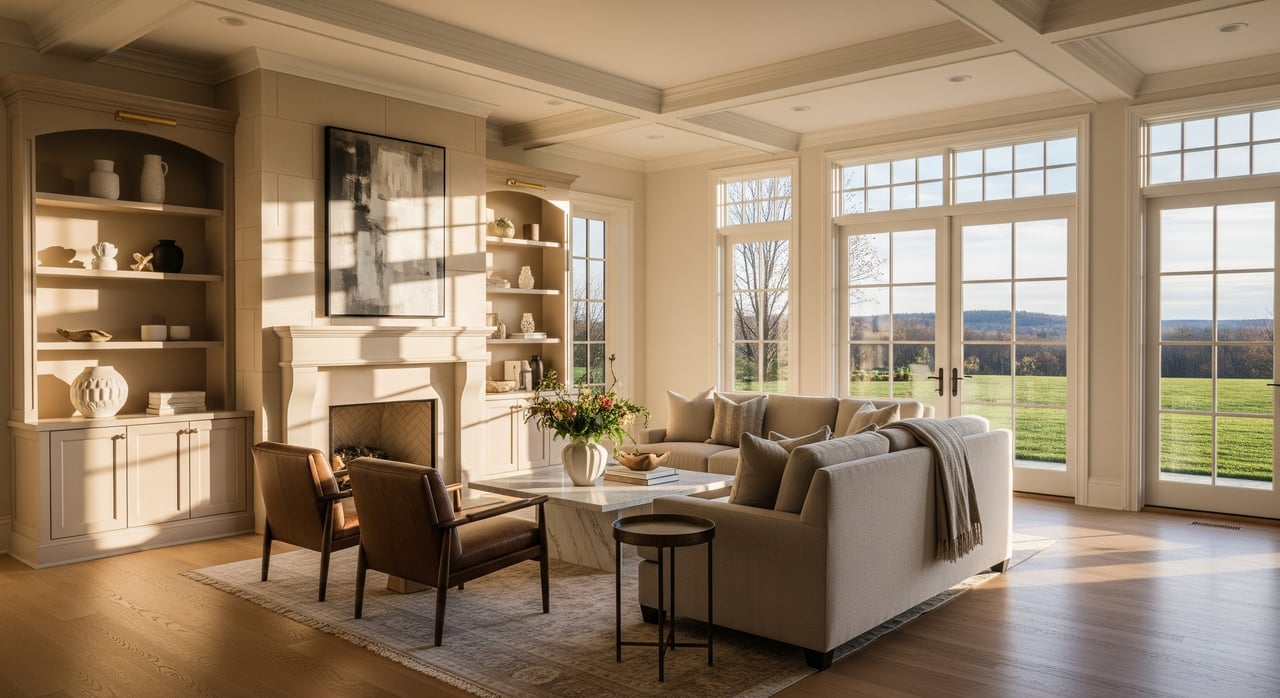
Thinking about selling in Center Valley and wondering how to stand out? Buyers decide quickly, often from a few photos and a short tour. Staging turns rooms into a clear story of how to live in the home, which can drive stronger first impressions, more showings, and better offers. In this guide, you’ll learn how staging influences perceived value, where to invest first, what it costs, and how to estimate ROI for Center Valley. Let’s dive in.
Why staging works in Center Valley
Center Valley buyers often compare move-in-ready homes across similar neighborhoods. When your home shows clean, calm, and well-scaled, you help buyers picture their daily life there. That can increase interest, reduce second-guessing, and lead to more confident offers.
Industry research from groups like the National Association of REALTORS and the Real Estate Staging Association finds that staged homes typically draw stronger buyer response and spend fewer days on market. The size of the uplift varies by property type, demand level, and staging quality, but the marketing advantage is consistent.
First impressions drive showings
Your photos are the first showing. Staging ensures rooms photograph with balance, light, and clear purpose. That visual clarity boosts clicks and tours, which is the path to offers.
Fit for local buyer profiles
Center Valley and the wider Lehigh Valley attract commuters and families seeking convenience, space, and a polished presentation. Staging can be especially effective for higher-tier properties, vacant homes, and listings competing within the same price band. Local demand shifts seasonally, so align your plan with current MLS and LVAR snapshots.
What the research shows
- Price impact: Many markets see a modest premium for well-staged homes. In specific situations, such as high-end or vacant properties, the lift can be larger. Results depend on local demand, property condition, and staging execution.
- Time-on-market: Practitioner surveys commonly report fewer days on market for staged listings compared to unstaged homes.
- Photography effect: Staging improves listing photos, and better photos usually mean more showings. More showings often lead to stronger offers.
Use national insights as context, then ground your expectations in Center Valley comps and current conditions.
Where to stage first
Focus on spaces that sell the lifestyle and anchor your photography.
- Top photo moments: Living room, kitchen, primary bedroom, entry, and any standout features such as a den or finished lower level.
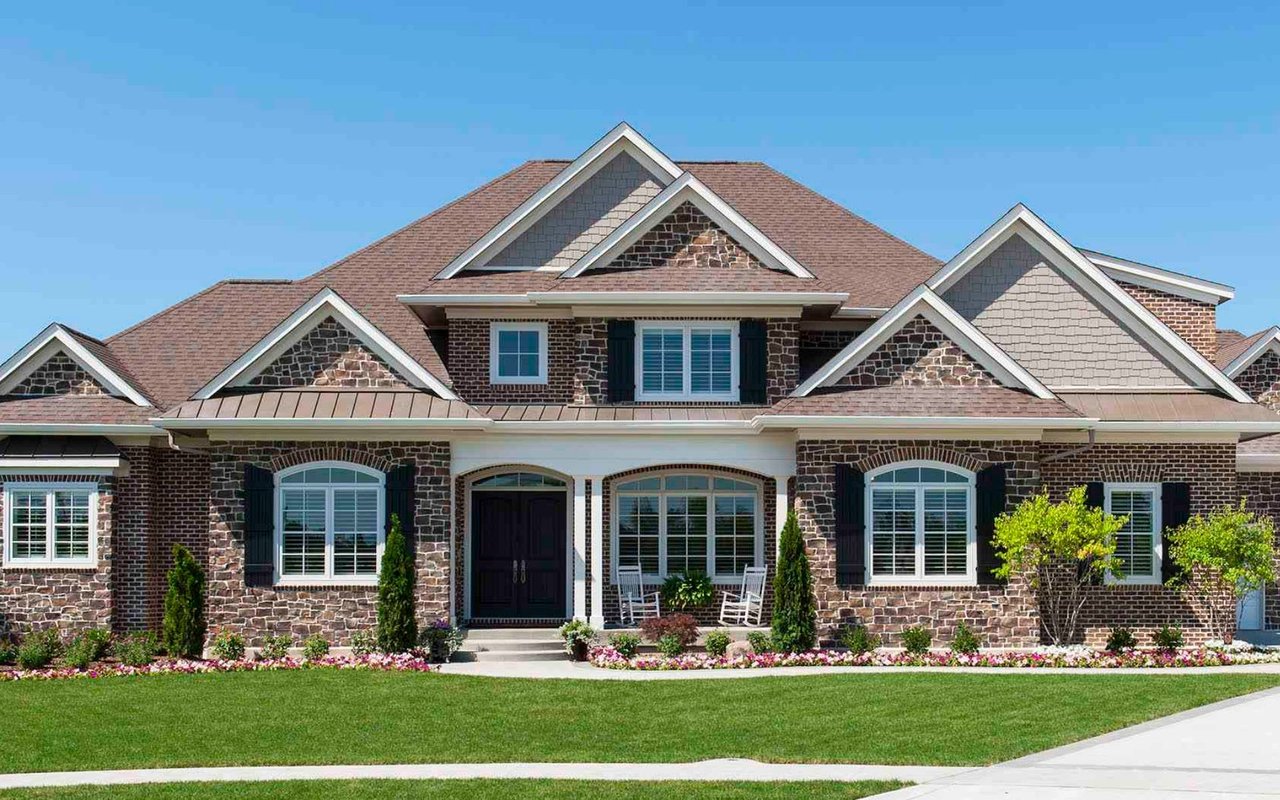
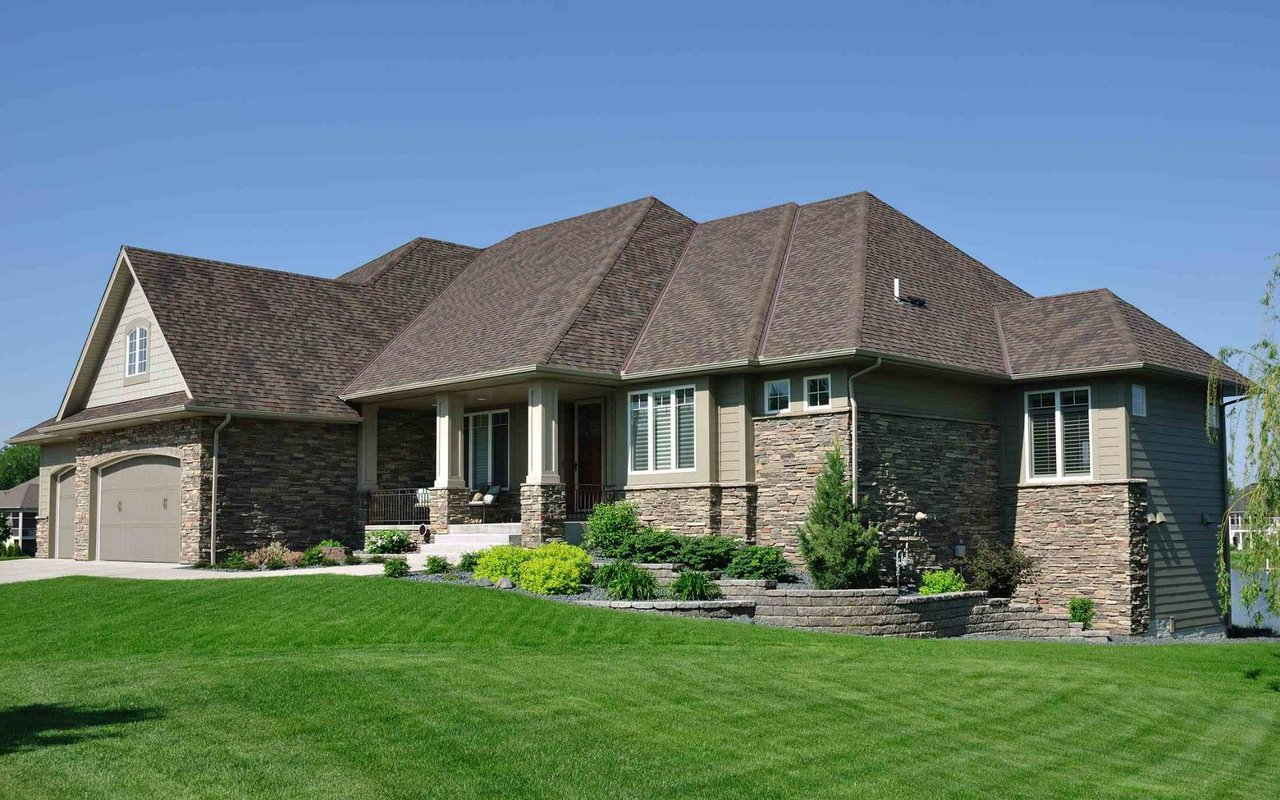
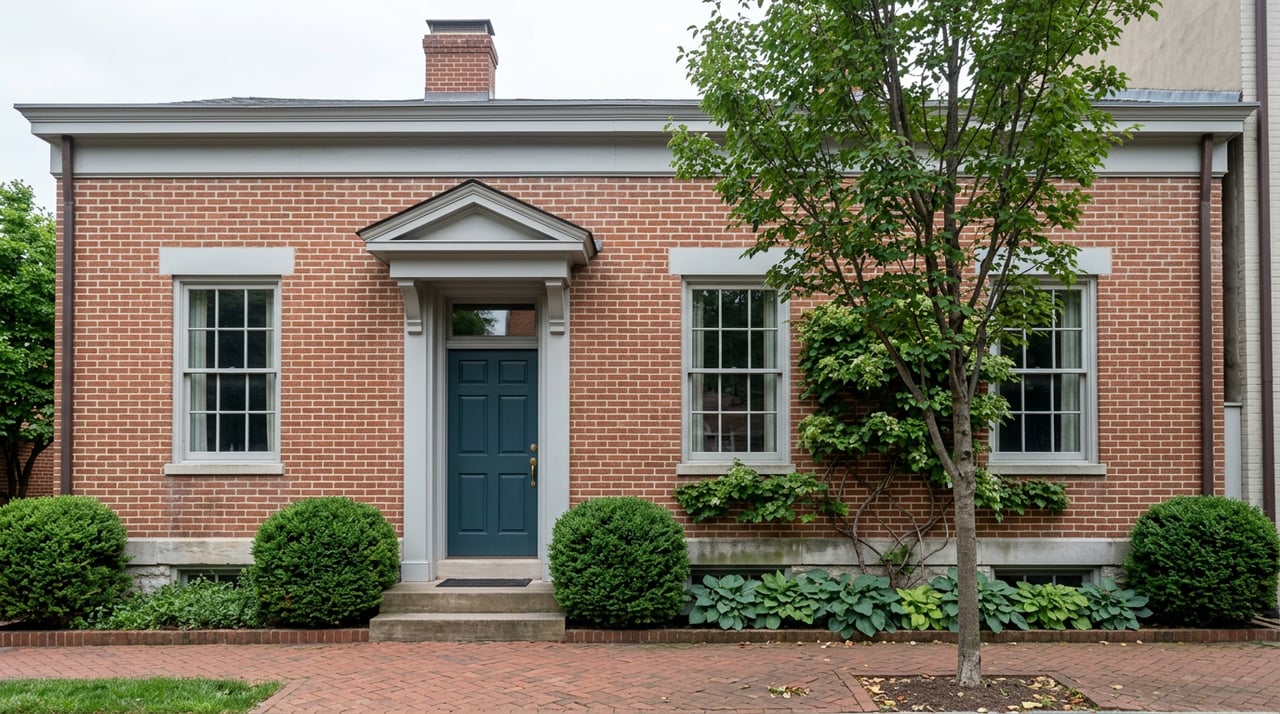
- Curb appeal and entry: Fresh landscaping, a clean welcome mat, and visible house numbers set the tone.
- Kitchens and baths: Declutter, neutralize, and brighten. These rooms shape value perception.
- Main living spaces: Scale furniture to the room, open sightlines, and layer lighting.
- Problem areas: Use layout, lighting, and color to reduce the impact of odd angles, low light, or dated finishes.
Room-by-room checklist
Use this simple list to prep quickly and keep decisions straightforward.
- Curb and exterior: Tidy beds, trim shrubbery, sweep walkways, and remove leaf or snow buildup in season. Refresh the mailbox and ensure the house number is easy to read.
- Entry: Keep it minimal. Add a mirror or simple art to bounce light. Ensure immediate sightlines to main living spaces.
- Living/family room: Create a conversation area with scaled seating. Remove excess décor and personal items. Add lamps for warm, layered light.
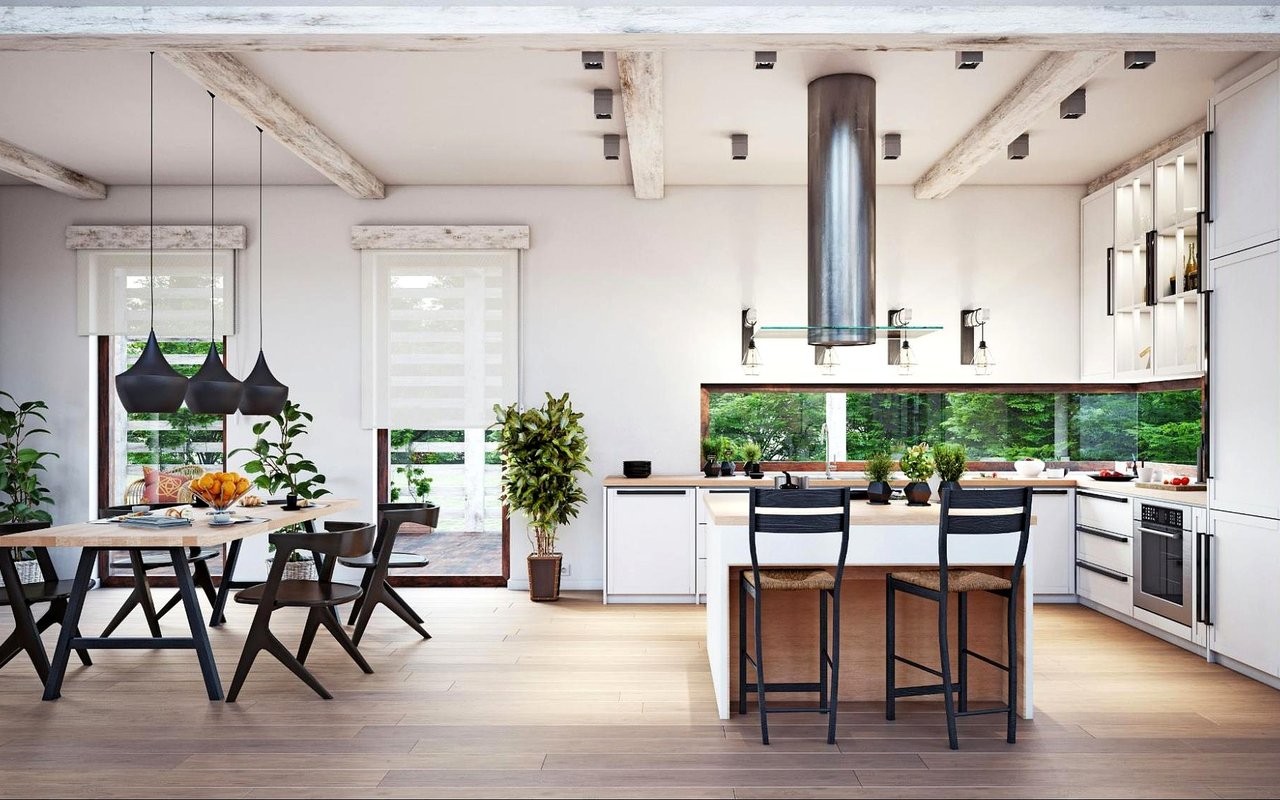
- Kitchen: Clear counters except one or two styled items, like a fruit bowl or cookbook. Coordinate towels and a neutral runner. Clean appliances and sink.
- Dining: Set the table lightly to show scale, not formality. Keep centerpieces low and simple.
- Primary bedroom: Center the bed and use neutral bedding. Limit accessories and remove personal photos. Tidy the closet to show functional space.
- Bathrooms: Clear counters, add fresh towels, and use matching dispensers. Replace a worn shower curtain or polish glass.
- Basements/attics: If finished, stage as a purposeful living area or home office. If unfinished, clean and organize to emphasize storage potential.
Vacant vs. occupied homes
Vacant homes
Empty rooms often feel smaller and harder to visualize. Furniture rental and accessories give scale and warmth, which can be especially helpful for larger properties. While vacant staging carries higher upfront costs, it can deliver strong returns when buyers compare against other polished listings.
Occupied homes
Start with decluttering, depersonalizing, and rearranging furniture for flow. Add a few on-trend accessories or selective rentals to refresh the look. Professional photography is essential in both cases, and for certain budgets, virtual staging can supplement. If you use virtual staging, follow local MLS disclosure rules and avoid changing fixed elements that could mislead buyers.
Seasonal tips for Center Valley
- Winter: Emphasize warmth and light. Use soft lamps, layered textiles, and clear, safe walkways. Keep driveways and entryways free of snow and ice to create a cared-for impression.
- Spring and summer: Maximize curb appeal with fresh mulch, trimmed hedges, and a few potted plants. Photograph when landscaping is at its best.
- Fall: Remove leaf buildup promptly, keep gutters clear, and use restrained seasonal décor so the home feels current, not cluttered.
Cost and ROI, simplified
Nationally, staging fees vary by scope and provider. Local bids will refine these numbers, but these ranges help with planning:
- Staging consultation: Often a one-time fee in the low hundreds.
- Occupied-home staging: A few hundred to a few thousand dollars for editing, accessories, and selective rentals or updates.
- Vacant-home staging: Typically several thousand dollars, and can reach $8,000 or more for larger homes, depending on rooms staged and rental term. Furniture rentals are usually billed monthly until closing.
A quick ROI framework
- Pull local comps in Center Valley or Upper Saucon Township, ideally including staged examples. Your agent can source MLS and LVAR data.
- Set a conservative uplift expectation based on local demand, your home’s condition, and the staging scope.
- Calculate the net: estimated price increase minus staging cost and any carrying costs, such as monthly rentals.
- Compare against doing nothing, which can mean longer days on market, possible price reductions, and added holding costs.
For example, if staging costs $3,000 and helps you avoid a price reduction or boosts your sale price by $6,000, your estimated net benefit is $3,000. Actual results vary by market conditions and execution, so use recent local comps to guide expectations.
Hire the right staging partner
- Look for local experience: Ask for a portfolio of staged homes in the Lehigh Valley at similar price points. Credentials such as RESA membership or ASP can signal professionalism.
- Request an itemized proposal: Clarify setup fees, monthly rentals, accessories, and removal, plus recommended rooms to stage first.
- Align on style and target buyer: Ensure the plan fits your home’s architecture and likely buyer profile.
- Plan logistics: Coordinate delivery and install timing with photography and showings. If applicable, verify HOA guidelines and any Upper Saucon Township rules for exterior items.
- Know the MLS rules: Follow photo and virtual staging disclosure guidelines so marketing remains accurate and compliant.
A smart plan for premium listings
Luxury buyers in Center Valley expect a refined, move-in-ready feel. Staging complements high-caliber photography, curated copy, and thoughtful marketing to position your property in its best light. When you combine strategic staging with strong exposure and a clear story about the home’s lifestyle value, you help buyers act with confidence.
If you want tailored guidance, a marketing-led approach from a team deeply rooted in the Lehigh Valley can make a measurable difference. The Rebecca Francis Team pairs white-glove listing service with premium presentation and local expertise to help you maximize value and protect your time.
Ready to elevate your listing with a focused, data-informed plan? Request a private consultation with The Rebecca Francis Team.
FAQs
Does staging raise sale price in Center Valley?
- Staging often increases buyer interest and can lead to higher offers or faster sales, but results vary by property and market conditions, so use recent Center Valley comps to set expectations.
How much does professional staging cost near Center Valley?
- Consultations are often in the low hundreds, occupied-home staging can range from a few hundred to a few thousand, and vacant-home staging is typically several thousand depending on rooms and rental term.
Should I stage if I plan to sell “as-is”?
- If you are targeting investors, staging may add less value, but if you plan modest updates first, staging afterward can help present those improvements clearly.
Is virtual staging acceptable for MLS photos?
- Virtual staging can be cost-effective for vacant spaces, but always disclose edits per MLS rules and avoid altering fixed features that could mislead buyers.
When should staging be completed before listing?
- Complete staging before professional photography so your listing launches with its best look from day one.
Which rooms deliver the best return?
- Prioritize the living room, kitchen, primary bedroom, and entry, then focus on any standout features or rooms that need help with scale or layout.