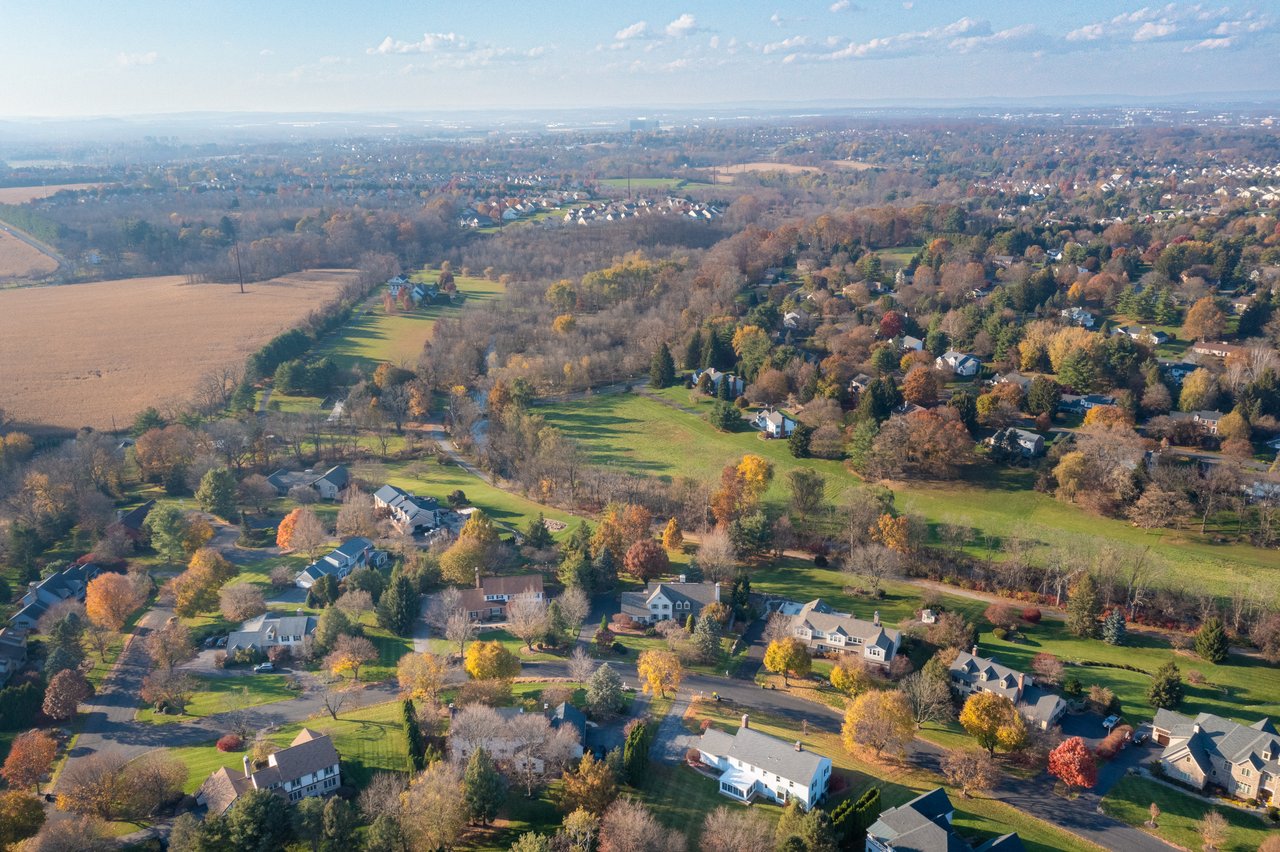
Dreaming about a private estate, hobby farm, or future home site with real space to breathe? In Western Lehigh Valley, the rules for acreage, utilities, and taxes can feel complex, especially if you are eyeing Macungie, Emmaus, or nearby townships. You want clarity before you invest time and money. This guide breaks down the essentials so you can move forward with confidence. Let’s dive in.
Estate parcels in local context
In the boroughs, you will mostly find traditional town lots. Borough districts in Emmaus and Macungie are typically planned for smaller single-family lots. Emmaus’s ordinance shows minimums in the 7,000 to 20,000 square foot range, which is roughly 0.16 to 0.46 acres. For exact standards, always confirm the municipal zoning tables for the specific parcel you have in mind using the official code resources for the area’s communities and townships. You can review municipal zoning tables and related standards in local codes available through eCode360.
Just outside the boroughs, surrounding townships offer rural and semi-rural districts with larger minimums. In Lower Macungie Township, for example, the R-Rural district lists 2.0 acres for conventional single-family lots. Larger tracts may also be eligible for conservation or open-space subdivision options that shape how land can be designed and preserved. Check the zoning chapter and the SALDO to understand how these provisions apply.
What counts as an “estate” locally varies by zoning and market. In Western Lehigh, you will see “estate” or “acreage” listings ranging from a few acres to 10, 20, or more. The ability to build, board horses, or split off a lot depends on the exact district rules, soils, and utilities. Start with the code and the parcel’s facts before you fall in love with a plan.
Zoning, uses, and rural activities
Agricultural and rural districts typically permit crop and grazing uses. Equestrian activities like riding stables or boarding may be listed as agricultural or accessory uses. When an operation involves commercial lessons, public boarding, or event activity, many municipalities require a conditional use or special exception with hearings, plans, and specific conditions. Review the permitted and conditional-use language in your municipality’s code to see how your idea is classified. You can find examples of how agricultural and riding-stable uses are defined in local ordinances.
If you are considering agritourism elements such as seasonal farm markets or limited events, confirm the local rules on size, parking, setbacks, and occupancy. These uses can be allowed but often come with clear parameters. Coordination with zoning and sometimes health codes helps you avoid surprises.
Pennsylvania’s Right-to-Farm statute also matters for rural properties. It protects normal agricultural operations under state-defined conditions, while still requiring compliance with public health and safety rules. Agricultural Security Areas (ASAs) provide additional protections and are often a stepping stone for farmland preservation. For context on how these protections work, review an overview of agriculture and rural community frameworks in Pennsylvania.
Utilities and site work essentials
Public water and sewer tend to be available in borough centers like Emmaus and Macungie, while many outlying township parcels rely on private wells and on-lot septic. To verify the local picture, start with the borough’s zoning and public-works information for mapping and contacts, then confirm water and sewer availability with the regional provider where applicable. In many areas, Lehigh County Authority is the water and wastewater utility you will consult regarding service areas and connection options.
If public sewer is not available, the on-lot septic path becomes the make-or-break item for many lots. Pennsylvania requires townships to administer on-lot sewage permits through a certified Sewage Enforcement Officer. New homes or new lots usually need an approved septic siting and perc/soil testing, plus a designated replacement area. Engage the township’s SEO early, because soils, slopes, and setbacks often determine if your plan is feasible. You can review local SEO and on-lot permitting processes in township guidance available in area codes.
For power, PPL Electric Utilities serves much of the Lehigh Valley. Natural gas service is common in some areas and provided by UGI in parts of Lehigh County, but always confirm for the exact address. Broadband and cell coverage vary by location. Extension costs for any utility, from water and sewer mains to electric lines, can significantly affect your budget. Pricing the distance and any required roadway or easement work early will help you avoid surprises. You can view PPL’s general service-area information for regional context.
Site constraints also influence what is buildable. Soils drive septic feasibility and usable pasture. Wetlands, floodplains, and steep slopes may restrict development and sometimes count against minimum lot area. Use the county parcel viewer and NRCS soils data for initial screening, then follow up with a soil scientist or engineer for testing and design.
Taxes and preservation that change value
Clean & Green, known formally as the Farmland and Forest Land Assessment program under Act 319, can materially reduce property taxes for qualifying acreage. Generally, 10 contiguous net acres or more is the threshold for agricultural or forest enrollment, though parcels under 10 acres may qualify if they produce the required minimum farm income. Enrolled land is assessed on use value rather than market value, which can mean meaningful annual savings. Learn more from Pennsylvania’s Clean & Green guidance.
Act 319 also comes with important obligations. If a property’s use changes to a non-qualifying use or it is removed from the program, roll-back taxes typically apply for up to seven past years plus interest. The statute includes split-off and separation rules that may allow limited residential lots to be created from enrolled land, subject to annual and cumulative limits. Before you subdivide, build, or sell any portion of enrolled acreage, contact the county assessor to confirm how rollbacks would apply and what paperwork is required at closing.
Lehigh County also runs a farmland-preservation program that purchases conservation easements. An easement permanently restricts development on the deed and travels with the land, which affects value and future options. If a property is preserved, it cannot be subdivided or developed beyond easement terms. For maps, application details, or to confirm whether a tract is preserved, contact the county’s Agricultural Land Preservation office.
Subdividing or selling acreage: your roadmap
Use this high-level sequence to plan your timeline and due diligence:
- Confirm zoning and SALDO rules for the parcel, including any overlay districts and cluster or open-space options. Minimum lot size, width, and setback standards are in the municipal zoning tables. Review municipal codes and tables in the local ordinance library.
- Check Act 319 enrollment, ASAs, and any conservation easement status with the county. Understand if split-off rules or roll-back taxes will apply if you sell or build on part of the tract. See the state’s Clean & Green overview for key definitions and processes.
- Call the township SEO and schedule perc and soil evaluations for any proposed new lot. Ensure there is a primary and replacement drainfield area if on-lot septic is required. You can review typical SEO and on-lot permitting steps in local codes and guidance.
- Order a boundary survey and title commitment. Identify any recorded easements, rights-of-way, or deed restrictions that reduce usable area. Use county GIS for preliminary screening, then verify with your surveyor and title company.
- Price utilities. Request quotes for water or sewer extensions, electric and natural gas service, and communications. Start with the regional water and sewer provider and the electric utility to confirm service feasibility and costs.
- Engage a land planner or civil engineer to prepare preliminary subdivision and stormwater plans as required by the municipality. Expect plan review timelines, escrow deposits, and inspection fees, with the possibility of traffic or environmental studies depending on scope.
- Evaluate financing paths. Many conventional lenders limit loans on vacant or rural land or require higher down payments. Specialist rural lenders or farm credit institutions can be a better fit for large tracts. This primer on finding the right lender for land purchases offers helpful perspective.
Common pitfalls to avoid
- Overlooking Act 319 status before a sale or subdivision. Split-offs can trigger roll-back taxes that change net proceeds. Review the state’s Clean & Green guidance, then confirm specifics with the county assessor.
- Assuming a lot is buildable before an SEO confirms septic siting or perc results. Township SEO sign-off is critical and can reshape house placement or lot lines. See local SEO process references for what townships require.
- Underestimating utility extension and improvement costs. SALDO conditions can require road upgrades, stormwater facilities, or open-space set-asides that affect your budget and timeline.
Equestrian-focused notes
If your vision includes horses, take time to map the land-use path. Riding stables or boarding can be considered agricultural uses, but commercial activity often triggers a conditional-use process with plans, public review, and specific conditions. Check how your township defines and permits riding stables or related equestrian facilities.
Plan for manure handling, turnout, and buffers. Larger operations may trigger nutrient-management requirements under state rules, and local zoning can set setbacks, screening, and parking standards. Early coordination with the township and your design team will help you balance daily operations with compliance and neighbor relations.
Finally, think about trails, fencing, and insurance. Right-to-Farm protections can help shield normal agricultural practices, but they do not excuse nuisances or unsafe conditions. Review an overview of agriculture and rural community protections to understand how state and local rules interact.
Quick buyer and seller checklist
- Define your goal. New home site, long-term hold, equestrian, or future subdivision each call for different timelines and budgets.
- Confirm zoning. Verify district, lot size minimums, setbacks, and any overlays. Use the official code library to spot conditional uses early.
- Call the SEO first. Schedule perc and soil testing to confirm on-lot septic feasibility and replacement area.
- Map utilities. Check public water and sewer availability, and price extensions. Confirm electric service and any gas options.
- Screen site constraints. Review soils, slopes, wetlands, floodplain, driveway access, and sight distance.
- Check tax and title factors. Verify Act 319 enrollment, ASAs, and any conservation easements. Order a title search for easements and restrictions.
- Build the team. Engage a surveyor, civil engineer, and, if subdividing, a land-use attorney or planner. Speak with lenders who understand rural or estate-scale properties.
- Plan the marketing. For sellers, align improvements, surveying, and utility quotes with a premium presentation that answers buyer questions upfront.
Ready to explore acreage?
When you buy or sell land, the details matter. A clear plan for zoning, septic, utilities, and taxes can protect your time and investment while maximizing value. If you want a private, guided experience that treats your property like the one-of-a-kind asset it is, we are here to help. Request a private consultation with The Rebecca Francis Team for white-glove advice and a tailored plan for your Western Lehigh Valley acreage.
FAQs
What does “estate parcel” mean in Western Lehigh Valley?
- Locally, “estate” often means a few acres or more, with township districts allowing larger lots than the boroughs; exact minimums and uses are set in municipal zoning tables and SALDO rules that you can review in local codes.
How do I confirm water and sewer for a lot in Emmaus or Macungie?
- Start with the borough’s zoning and mapping resources, then confirm service and any connection options with the regional water and wastewater utility for the address.
Who decides if a lot can use on-lot septic?
- The township’s certified Sewage Enforcement Officer oversees on-lot permits; a perc and soils evaluation is required to prove suitability and identify both primary and replacement drainfield areas.
What should I know about Clean & Green (Act 319) before I subdivide?
- Enrollment lowers taxes using use value, but changes in use or split-offs can trigger roll-back taxes; check the state’s Clean & Green guidance, then confirm exact impacts and forms with the county assessor before you record a plan or close on a sale.
Can I operate a boarding stable on my acreage?
- Many municipalities allow equestrian uses but may require a conditional use or special exception with plans, setbacks, parking, and manure management provisions; consult your township’s code for how riding stables are classified and permitted.