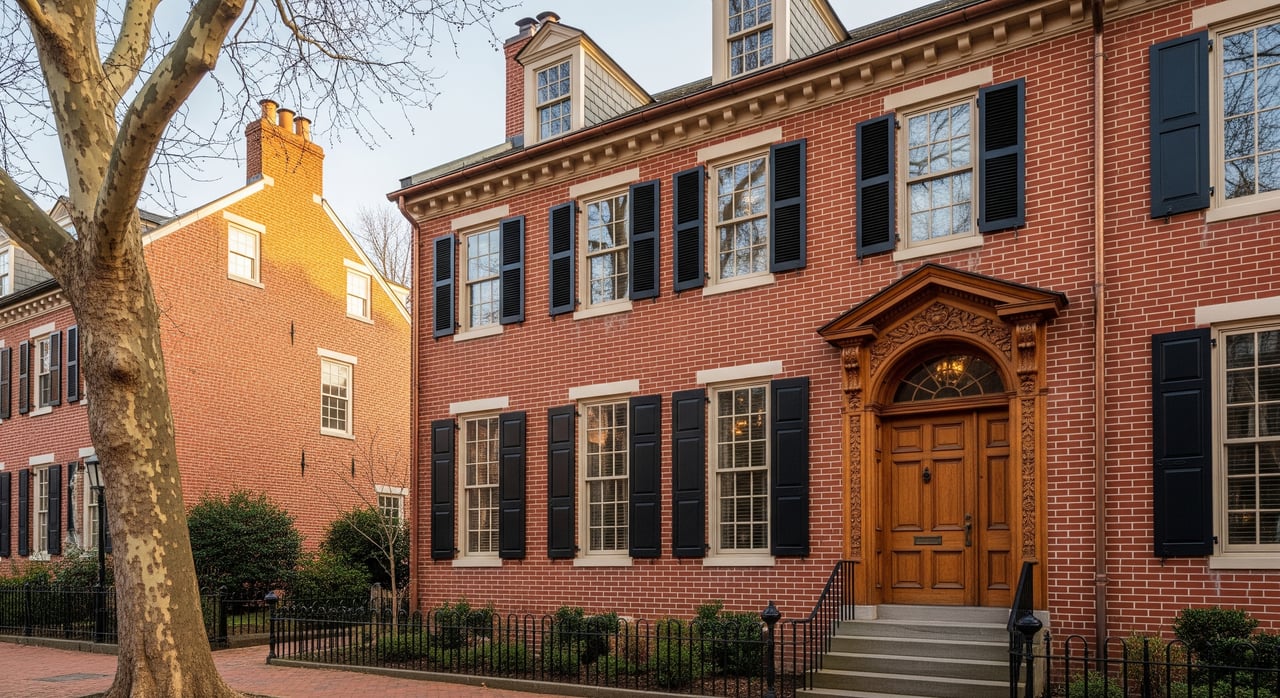
Thinking about updating a historic home in Bethlehem or buying one with plans to renovate? If your property sits in a local historic district, you will work with the Historic Architectural Review Board. That can feel complex at first, especially if you want to move quickly and get the details right. This guide explains what HARB is, when approvals are required, how to navigate the process, and how to keep your project or closing on track. Let’s dive in.
What HARB is
HARB is the local board that reviews exterior changes to properties in Bethlehem’s designated local historic districts. The goal is to protect the district’s historic character and integrity. HARB typically reviews work visible from public streets or sidewalks. Interior work is usually outside its jurisdiction unless it changes the exterior appearance.
HARB acts under Bethlehem’s local ordinance. Its decisions often determine whether you can get a building permit for exterior work. HARB’s role sits alongside zoning and building codes, so some projects need all three reviews.
HARB can approve as submitted, approve with conditions, defer for more information, or deny if the work does not meet guidelines.
Where HARB applies
HARB jurisdiction generally covers properties within Bethlehem’s local historic districts. Local designation is what typically triggers HARB review. A National Register listing alone does not usually control exterior changes without the local designation.
If you are unsure whether a property is in a local district, contact the City of Bethlehem Planning or Codes staff to confirm before you start planning.
Projects that usually need review
HARB review commonly covers exterior work visible from a public right-of-way, including:
- Roof replacements or new roofing materials and colors
- Windows and doors, including full replacements
- Siding, masonry repairs, and wall finishes
- Porches, porticos, and chimneys
- Additions and alterations that change massing or façade
- Fences, gates, and retaining walls
- Exterior lighting and signage
- Driveway or curb changes and visible landscape features
- Demolition of historic buildings
Repairs and in-kind replacements are usually treated more favorably than full replacements with incompatible modern materials.
What often does not require HARB
- Interior renovations that do not affect the exterior
- Routine landscaping out of public view
- Some accessory structures not visible from the street
Always confirm local rules with the City before proceeding.
How HARB fits with permits
Many homeowners must secure a HARB approval, often called a Certificate of Appropriateness, before the City issues a building permit. Check with Bethlehem’s Planning or Codes Office early to confirm whether you need HARB approval and what to submit. Your contractor should be familiar with this, but as the owner you are responsible for compliance.
Buying or selling a historic home
HARB affects both project planning and real estate transactions. As a buyer, you should verify what is allowed before you bank on a renovation concept. As a seller, you want to provide clear records to support a smooth sale.
For buyers, consider the following due diligence:
- Ask for copies of past HARB approvals, permits, and any preservation easements.
- Check with the City for open HARB violations or stop-work orders.
- Confirm whether your planned post-closing work needs HARB review.
- If you plan near-term changes, consider a purchase contingency tied to receiving HARB approval.
- Verify whether any tax credits or grants apply and how they affect future work.
For sellers, organize documentation and be ready to explain any exterior changes that required approvals. Clear records help prevent delays.
Step-by-step: Getting HARB approval
Follow this typical workflow to keep your project moving:
- Pre-application check-in. Reach out to City preservation staff to confirm whether HARB is required and how to prepare. Early guidance helps avoid missteps.
- Prepare your application. Compile drawings, photos, product data, samples, and the official application form.
- Submit by the deadline. Staff will review completeness. Fees may apply.
- Staff review. You may receive comments and suggested revisions before the public meeting.
- HARB meeting. Your project is reviewed in a public session. The board can approve, conditionally approve, defer, or deny.
- Certificate of Appropriateness. If approved, you receive a written decision outlining any conditions.
- Building permit and construction. Apply for permits once you have your approval. Build exactly as approved.
- Inspections and final sign-off. If you need to change something, contact staff before deviating from the approval.
What to include in your application
Most strong applications include:
- Completed application form with owner and contractor contacts
- Current photos and proposed views that show close-ups and street context
- Scaled site plan and elevations for new work or additions
- Material samples, color swatches, and product specification sheets
- Clear drawings or mock-ups for elements like signage, railings, and porches
- A short narrative that explains how your proposal meets the guidelines
Timelines and decisions
Many HARB boards meet monthly. Submission deadlines for a complete package often fall 1 to 4 weeks before the meeting. Decisions are often issued at the meeting or shortly after. If HARB defers action, build in extra time for revisions and another review. Confirm Bethlehem’s current schedule, submittal deadlines, and decision timelines with City staff.
If your application is denied, review the written reasons. You can revise and resubmit, work with staff on adjustments, or pursue the appeal route outlined in the local ordinance.
If work starts without required HARB approval, the City can issue a stop-work order, fines, or require restoration. Always verify requirements before starting.
Common projects and best practices
- Roofs. Historic materials or compatible substitutes are usually preferred. Color, texture, and profile matter. Modern products may be acceptable if they match the historic appearance.
- Windows and doors. Repair in-kind is often preferred. If replacing, match original operation, profiles, and muntin patterns. Off-the-shelf units that change depth or detailing can trigger denials.
- Siding and masonry. Preserve historic masonry and avoid covering it with incompatible materials. For wood siding, repair in-kind when possible.
- Porches and additions. Preserve original porches. Design additions to be subordinate in scale and compatible in massing and materials.
- Fences and gates. Follow historic patterns, materials, and appropriate heights, especially in front yards. Chain-link and tall privacy fences in prominent locations are often restricted.
- Signage and lighting. Keep scale, placement, and illumination compatible with the building and streetscape.
- Demolition. Expect a higher level of scrutiny. Alternatives and documentation may be required.
- Solar panels. Many boards allow panels on non-prominent roof slopes or rear locations. Placement on a primary façade may be restricted.
Avoid these pitfalls
- Starting work before securing HARB approval
- Submitting incomplete applications that lack drawings, photos, or product specs
- Replacing with incompatible materials or simplified details
- Removing character-defining features without strong justification
- Assuming a National Register listing alone controls changes without local designation
Your preparation checklist
Use this quick list to stay on track:
- Confirm whether the property is in a local historic district.
- Request past HARB approvals, permits, and any preservation easements from the seller.
- Schedule a pre-application discussion with City staff.
- Assemble your packet:
- Clear before photos, including street context
- Scaled elevations and a simple site plan
- Material samples, product data, and color chips
- A brief narrative explaining how you meet local guidelines
- Contractor information and a realistic project schedule
- Build in time for HARB review, permits, and contractor lead times.
- If buying with near-term renovations, include a contract contingency for required approvals.
- Plan repairs as in-kind or reversible where possible. Boards favor minimally invasive solutions.
Resources and contacts
For current rules, deadlines, forms, and staff contacts, consult the City of Bethlehem’s Historic Preservation and HARB pages and the Bethlehem municipal code. City Planning or Codes Department staff can confirm whether your project needs a Certificate of Appropriateness. For broader standards and context, look to the Secretary of the Interior’s Standards for Rehabilitation and state resources from the Pennsylvania Historical & Museum Commission and Preservation Pennsylvania.
Ready for expert guidance?
Historic homes deserve thoughtful planning and precise execution. If you are preparing to buy or sell in Bethlehem’s historic districts, or you want a second set of eyes on a renovation plan before you apply, connect with the local team that understands both preservation and premium marketing. Contact The Rebecca Francis Team to request a private consultation.
FAQs
What is HARB and why does it matter in Bethlehem?
- HARB is the local board that reviews exterior changes visible from public ways in Bethlehem’s local historic districts to protect historic character, which can affect your permits and project timeline.
Do I need HARB approval to replace windows?
- Likely yes if the windows are visible from the street; in-kind repair is typically preferred, and any replacement should match original operation, profiles, and muntin patterns.
How long does HARB approval take?
- Many boards meet monthly, with submission deadlines 1 to 4 weeks before the meeting and decisions often issued at or shortly after the meeting; confirm Bethlehem’s current schedule with the City.
What should buyers include if they plan renovations after closing?
- Ask the seller for past approvals and permits, verify district status and any violations with the City, and consider a contract contingency tied to receiving the necessary Certificate of Appropriateness.
What happens if I start work without HARB approval?
- The City may issue a stop-work order, fines, or require restoration to comply with guidelines, so always confirm requirements before beginning any exterior work.