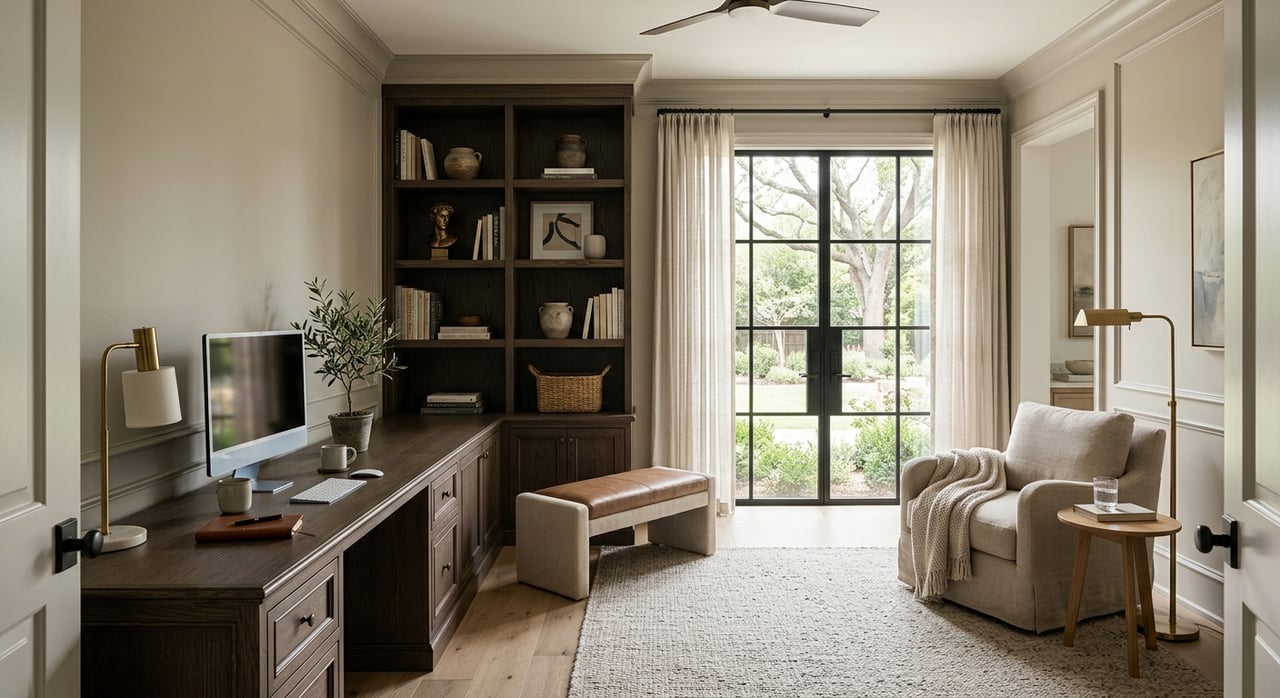
If you are weighing new construction against resale in Southern Lehigh Valley, you are not alone. In places like Coopersburg, Upper Saucon, and nearby borough-centered communities, both options can be competitive because housing supply remains tight. The good news is that each path offers distinct advantages, and the right choice usually comes down to how you want to live, how quickly you need to move, and how much flexibility you want during the process. Let’s dive in.
Why this decision matters locally
Southern Lehigh Valley is not a market where buyers can assume endless choices. The Lehigh Valley Planning Commission reports a regionwide housing shortage of about 9,000 units after years of suppressed construction paired with population growth. That shortage affects both new construction and resale, so your decision is less about which category is easier and more about which tradeoffs fit your priorities.
Location also shapes the experience. Upper Saucon Township notes its convenient access to PA Route 309, Interstate 78, and US Route 22, which helps explain why commuter-friendly areas continue to attract attention. If your daily routine depends on road access, that can make both newer developments and established neighborhoods appealing for different reasons.
What resale offers in Southern Lehigh Valley
Resale homes often appeal to buyers who want to see exactly what they are getting before they commit. You can walk the lot, study the street pattern, and get a feel for the neighborhood in real time. That can be especially valuable in borough and long-settled areas where the character of the block matters just as much as the square footage.
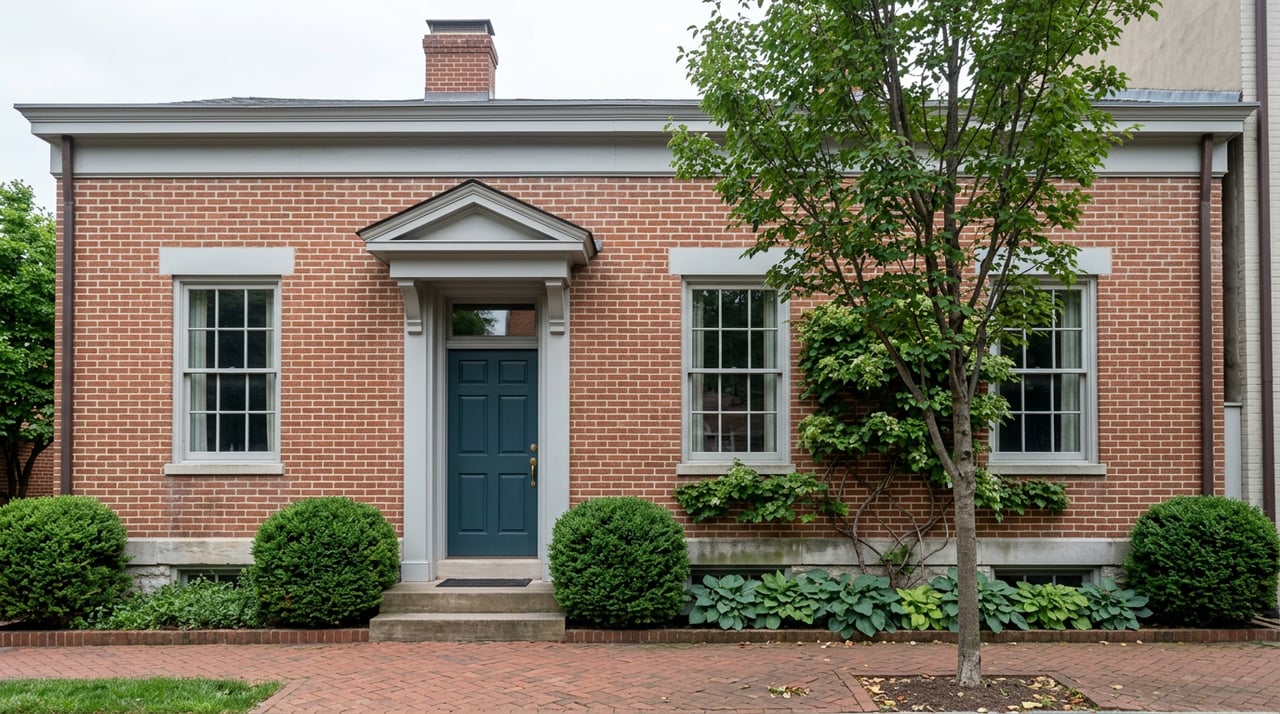
In Coopersburg, local planning efforts include streetscape improvements, rail-trail connections, and a town-center or public-square park concept. The borough also publishes historic design guidelines and a map of historic properties. If you are considering an older home, that may mean exterior design considerations are part of the ownership picture.
Hellertown gives a good example of the established-neighborhood advantage. The borough highlights about 45 acres of active recreation fields, about 50 acres of undeveloped municipal green space, and a two-mile segment of the Saucon Rail Trail. If you value mature landscaping, existing parks, and a neighborhood that already feels complete, resale may be the clearer fit.
Benefits of buying resale
- You can typically move faster than with a new build.
- You can evaluate the actual home, lot, and block before closing.
- Established neighborhoods often include mature trees, completed amenities, and settled streetscapes.
- You may have room to negotiate based on inspection findings, depending on contract terms.
The inspection process is one of the biggest practical benefits. The Consumer Financial Protection Bureau says buyers should schedule an independent home inspection as soon as possible. It also notes that an inspection is different from an appraisal, and buyers generally need both.
What to inspect on a resale home
With resale, due diligence matters. In Coopersburg, the borough’s zoning and permits information includes a property checklist for resale that references sewer-lateral inspection. That means older homes may come with municipality-specific items you should confirm early in the transaction.
Another local detail is easy to miss. Coopersburg notes that a Coopersburg mailing address does not always mean the property is actually inside the borough. If you are comparing taxes, rules, or services, confirm the parcel’s true municipality rather than relying on the postal address.
Upper Saucon Township adds another resale point worth noting. The township says a certificate-of-occupancy inspection is not required for the resale of a residential property. That can remove one layer of local friction compared with some other transaction scenarios.
Resale due diligence checklist
- Confirm the property’s actual municipality.
- Ask whether any sewer-lateral or other local resale requirements apply.
- Order an independent home inspection.
- Review the age and condition of major systems.
- Check whether the home may be subject to historic design guidelines.
If you want added repair protection after closing, a home warranty may be available, but it is not the same as a builder warranty. The Federal Trade Commission says a home warranty is a service contract that usually costs extra and often applies to repairs or replacements for items like appliances or HVAC-related components. It can be a useful add-on, but it should not replace a careful inspection.
What new construction offers
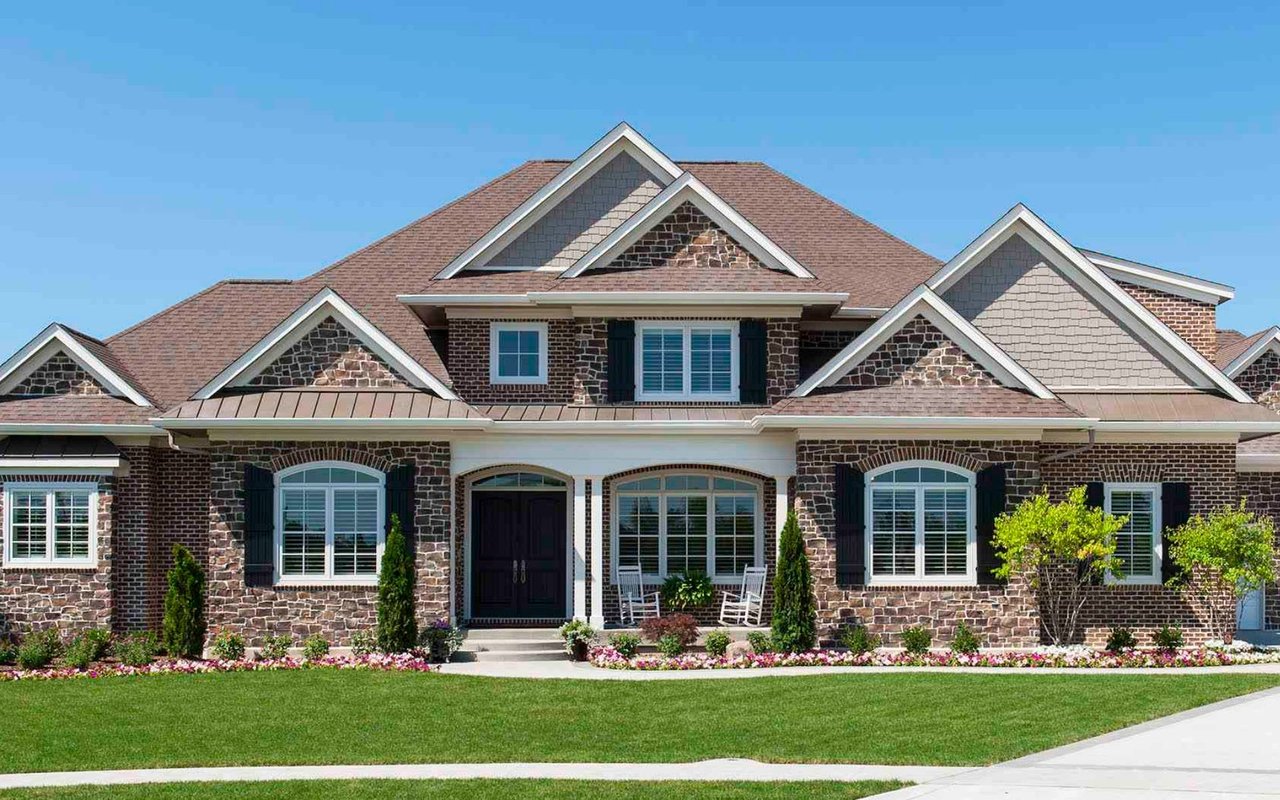
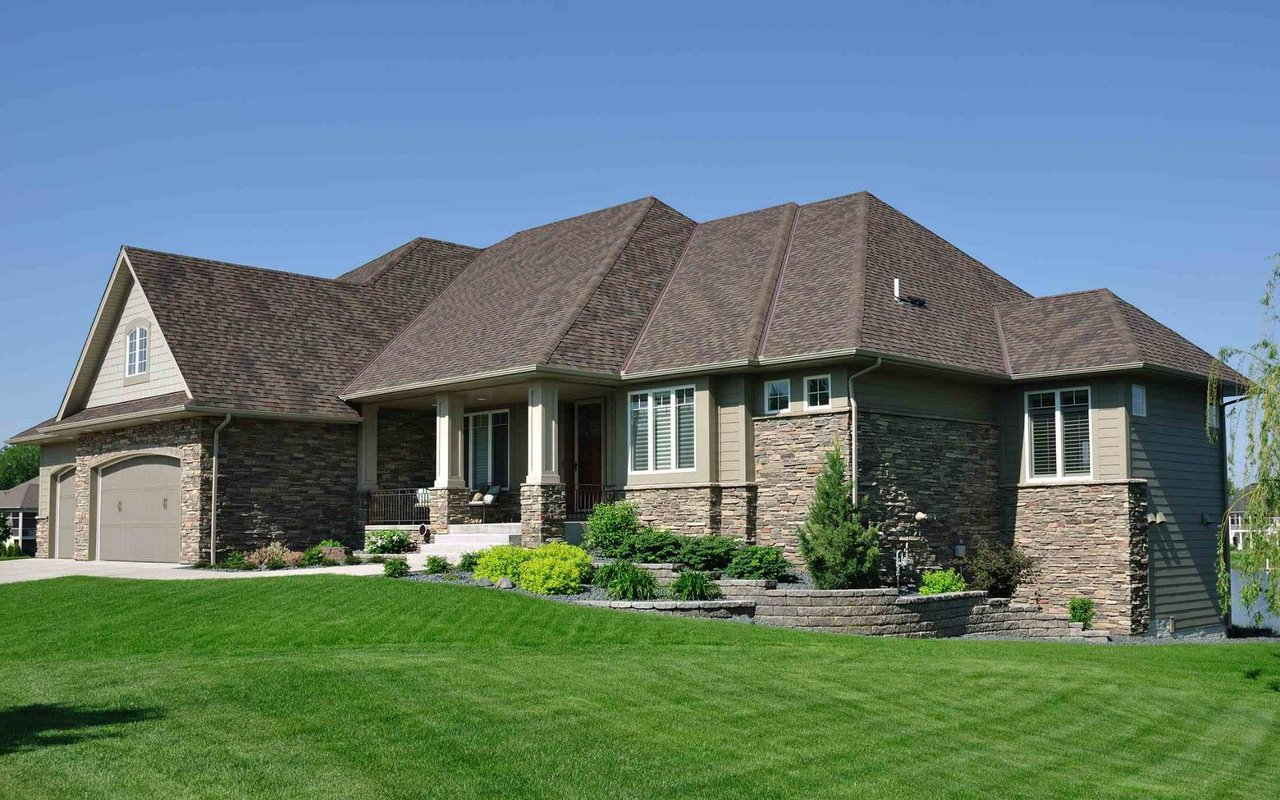
New construction appeals to buyers who want a more current floor plan, lower near-term maintenance concerns, and the chance to personalize parts of the home. Depending on the builder and stage of construction, you may be able to choose finishes, layouts, or even lot placement. That level of control can be hard to match with a resale home.
Energy performance is another major draw. The U.S. Department of Energy notes that new homes can more readily incorporate a whole-house energy approach, including insulation and air sealing. It also says adding insulation during construction is more cost-effective than retrofitting it later.
For many buyers, warranty coverage adds peace of mind. The FTC says most new-home warranties provide limited coverage for workmanship and materials, often around one year for many components, around two years for HVAC, plumbing, and electrical systems, and in some cases up to 10 years for major structural defects. It also notes that exclusions are common, including appliances, small cosmetic cracks, and certain other items.
Benefits of buying new construction
- You may have more say in finishes and design choices.
- New homes can offer stronger energy-performance features from the start.
- Near-term maintenance may be lower.
- Builder-backed warranty coverage can help reduce early repair concerns.
What to know about the local new-build timeline
The biggest tradeoff with new construction is usually time. In Upper Saucon Township, a complete residential permit application is reviewed and either issued or denied within 15 business days. Still, the township also notes that zoning, grading, sewage, water, or PennDOT approvals may be required before a building permit can be issued.
That means the path from contract to move-in is often more layered than a standard resale closing. Upper Saucon also states that any new house requires permits, inspections, and a certificate of occupancy. Even when a home looks nearly finished, final approvals still shape the real move-in date.
Coopersburg’s permit instructions add another practical point. Work may not begin until the permit has been approved and granted. If you are buying early in the process, it is wise to ask detailed questions about approvals, timelines, and what milestones must be met before occupancy.
Questions to ask on a new construction purchase
- What is included in the base price?
- Which finishes or features count as upgrades?
- What approvals are still pending?
- When is the expected certificate of occupancy?
- How much deposit is required, and when is it refundable?
The Consumer Financial Protection Bureau notes that if a home is not yet built, the builder may ask for an upfront deposit or earnest money. It also says buyers should ask when that deposit can be returned and whether they are required to use a builder-affiliated lender. Those details can affect both your budget and your flexibility.
How schools and setting can influence your choice
For many buyers, the feel of a location matters as much as the home itself. Southern Lehigh School District lists five schools and serves Coopersburg, Center Valley, and Lower Milford. Saucon Valley School District serves Hellertown and Lower Saucon from a single 106-acre campus that includes elementary, middle, and high schools.
That district footprint can influence how an area feels on the ground. Some buyers are drawn to borough-centered settings with mature neighborhood patterns, while others prefer areas that feel more development-oriented. Neither is better by default, but each creates a different day-to-day experience.
If trails, green space, and established amenities rank high on your list, resale neighborhoods may stand out. If your priority is a newer layout and a more modern systems package, new construction may better match your goals. In Southern Lehigh Valley, both paths can support a strong lifestyle fit when you focus on what matters most to you.
New construction vs resale at a glance
| Priority | New Construction | Resale |
|---|---|---|
| Move-in speed | Usually longer | Usually faster |
| Customization | Often stronger | Limited unless you renovate |
| Neighborhood feel | May be newer or still developing | Often more established |
| Energy features | Often easier to build in | Varies by home |
| Inspection focus | Build quality, warranty details, completion timeline | Condition, systems, local resale items |
| Maintenance outlook | Often lower at first | Depends on age and updates |
Budgeting for either option
Whether you buy new construction or resale, some closing costs apply either way. Pennsylvania imposes a 1 percent realty transfer tax on the value of transferred real estate, and a local transfer tax is often added. Buyers should budget for that cost and confirm how the structure of the transaction affects transfer-tax treatment before closing.
It is also smart to compare total cost, not just the list price. With new construction, upgrades, deposits, and timing can shape the final number. With resale, inspection findings, repairs, and future updates may influence your true cost of ownership.
Which option makes more sense for you
New construction may be the better fit if you want a newer floor plan, lower near-term maintenance, energy-conscious construction, and builder-backed warranty coverage. It also works best if you can tolerate a more layered timeline and are comfortable asking detailed questions about approvals, deposits, and upgrade pricing.
Resale may be the better fit if you want a known neighborhood, mature landscaping, existing parks or trails, and a shorter path to occupancy. In places like Coopersburg and Hellertown, that established-place advantage can be especially meaningful because the setting is part of the value.
In a supply-constrained market, there is no one-size-fits-all answer. The right move is the one that matches your timing, commute needs, maintenance tolerance, and preferred neighborhood feel. If you want a tailored strategy for Southern Lehigh Valley, The Rebecca Francis Team offers discreet, high-touch guidance for buyers who want clarity at every step.
FAQs
What is the difference between new construction and resale in Southern Lehigh Valley?
- New construction usually offers newer layouts, energy-performance advantages, and builder warranty coverage, while resale often offers faster move-in, established neighborhoods, and the ability to inspect the exact home and block before closing.
What should you inspect on a resale home in Coopersburg or nearby areas?
- You should order an independent home inspection, confirm the actual municipality, ask about sewer-lateral or other local resale items, review major systems, and check whether any historic design guidelines may apply.
How long can a new construction timeline take in Upper Saucon Township?
- A complete residential permit application is reviewed within 15 business days, but other approvals such as zoning, grading, sewage, water, or PennDOT permits may still be required before the building permit is issued and before occupancy can occur.
Are established neighborhoods easier to evaluate than new communities in Southern Lehigh Valley?
- Yes, resale homes often make it easier to evaluate the lot, street pattern, mature landscaping, parks, trails, and the overall day-to-day feel of the neighborhood before you commit.
Do buyers pay transfer tax on both new construction and resale in Pennsylvania?
- Yes, Pennsylvania imposes a 1 percent realty transfer tax on transferred real estate, and a local transfer tax is often added, so buyers should budget for that cost in either type of purchase.