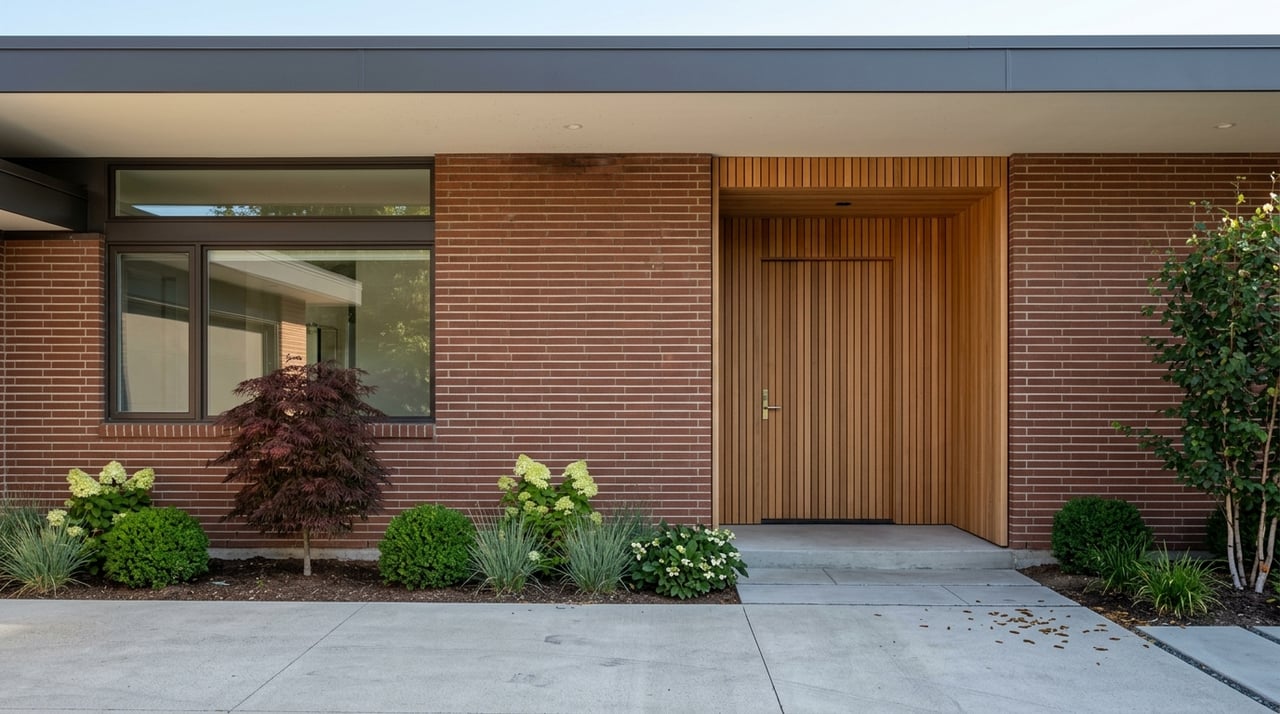
If you have ever driven through western Lehigh Valley and felt like the homes tell a story, you are right. In this part of Lehigh County, architecture reflects centuries of change, from early stone farmhouses and Moravian-era homes to postwar subdivisions and newer custom builds. When you understand the styles that shape the area, you can read a home with more confidence, whether you are buying, selling, or simply getting to know the market. Let’s dive in.
Why western Lehigh Valley feels layered
Western Lehigh Valley does not have one single defining look. Instead, it has a sequence of architectural periods that built on each other over time.
Emmaus, Macungie, and Lower Macungie each show a piece of that progression. Emmaus began as a closed Moravian village in 1759 and later expanded through annexations, while Macungie traces its early roots to Pennsylvania German settlement around 1735. Lower Macungie saw major subdivision growth beginning in the early 1960s, which added a very different housing chapter to the older landscape.
The land itself also shaped what was built. Central Lehigh County sits over limestone and dolomite, which helps explain why stone farmhouses, barns, and other masonry buildings remain such a visible part of the area’s historic fabric.
Even the roads reinforce that sense of continuity. Route 100 and Hamilton Boulevard through Lower Macungie still follow routes that were basically established as 18th-century King’s Highways, so old settlement patterns still influence the built environment you see today.
Pennsylvania German roots
If you want to understand the oldest homes in western Lehigh Valley, start with Pennsylvania German Traditional architecture. According to the Pennsylvania Historical and Museum Commission, these buildings were often made of log or stone and typically featured steep roofs, thick walls, small irregular windows, and practical floor plans.
You may also notice details like a central chimney, tight stair layouts, or a two-door front facade. That two-door arrangement is especially associated with the Pennsylvania German farmhouse tradition and remains one of the easiest visual clues for buyers touring older properties.
A good local reference is the Shelter House in Emmaus. Its original one-story homestead dates to 1734, and the site describes it as a Germanic continental log house with a three-room plan. It offers a clear picture of how early homes in the region balanced simplicity, durability, and function.
Another local touchstone is the Knauss Homestead in Emmaus, built in 1777 for Sebastian Knauss’s family and tied closely to the founding Moravian community. Homes from this era often feel grounded and handcrafted, with materials and layouts shaped by local building traditions rather than strict textbook style rules.
Why so many older homes are hybrids
One of the most helpful things to know is that many Pennsylvania homes are not pure examples of one style. PHMC notes that buildings across the state, especially in southeastern Pennsylvania, are often vernacular blends.
That matters because a home in western Lehigh Valley may mix a Pennsylvania German plan with Georgian symmetry or later Colonial Revival updates. In real life, houses changed over time as owners expanded, renovated, or refreshed details to match later tastes.
For you as a buyer or seller, that means labels in listings do not always tell the full story. A house may be described as colonial, but its bones, materials, and proportions can reveal a much older and more layered architectural identity.
Georgian and Federal influence
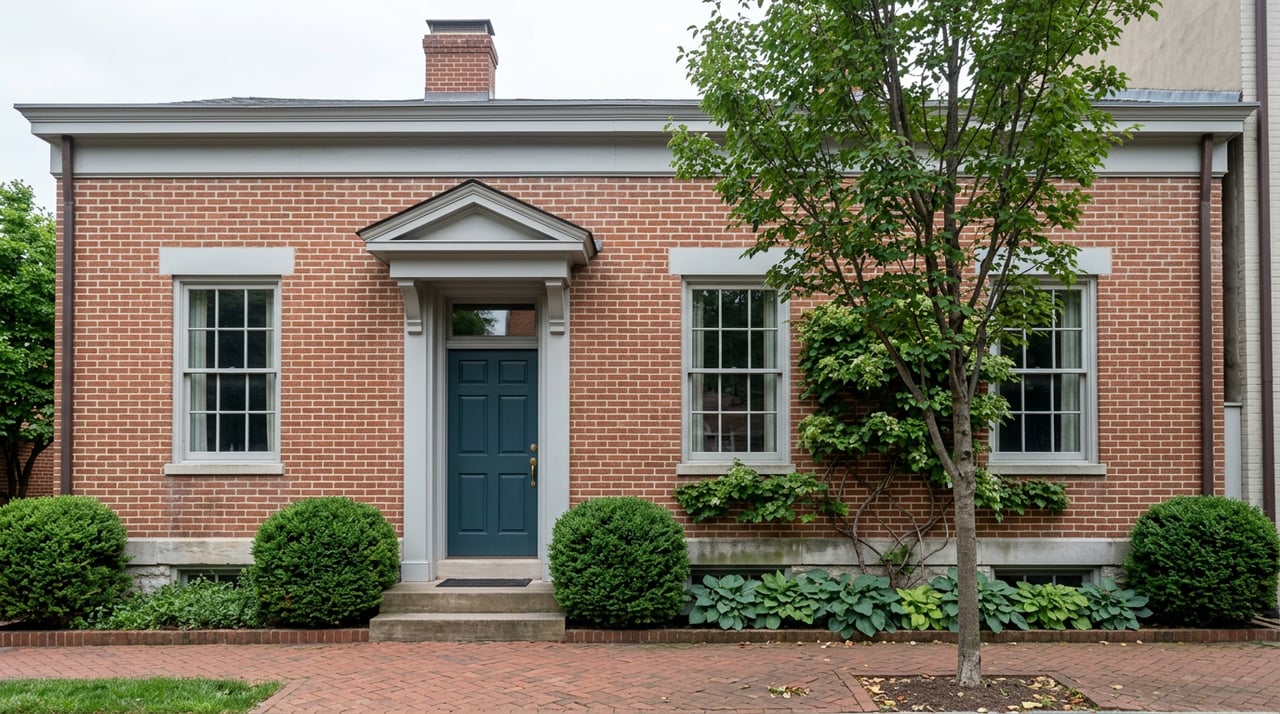
As the region matured, more formal classical design began to appear. Georgian architecture brought stronger symmetry, often with a centered front door, side-gabled roof, and evenly arranged windows across a stone or brick facade.
In Pennsylvania, Georgian houses are often described as symmetrical buildings, sometimes five bays wide, with a balanced and orderly look. Compared with earlier vernacular homes, they usually read as more formal and more deliberately composed.
Federal-style homes kept much of that symmetry but introduced lighter, more refined ornament. Common markers include fanlights, sidelights, Palladian windows, and more delicate door surrounds.
A strong local example is the 1803 House in Emmaus. Its history describes it as Federal style with Georgian influence, which makes it a useful bridge between folk building and formal early American design. If you are touring older homes in or near Emmaus, this kind of crossover is exactly what you are likely to see.
Stone farmhouses and barns
In western Lehigh Valley, architecture is not just about houses in borough settings. It is also about the agricultural landscape that shaped the region for generations.
Macungie and Lower Macungie still reflect that legacy. The historical record points to impressive stone farmhouses, massive bank barns, and Pennsylvania forebay barns as part of the area’s built heritage.
The Singmaster barns in Macungie are a good public example. They are identified as stone Pennsylvania forebay barns, a form that helps illustrate how local materials and agricultural use came together in one durable building type.
For today’s market, these older farm properties often stand out because they offer architectural character that newer construction cannot easily replicate. Thick stone walls, deep window openings, and simple massing can give these homes a strong sense of place.
Colonial Revival and neo-colonial homes
Many homes that look "colonial" in western Lehigh Valley are not actually from the colonial era. They are often Colonial Revival or neo-colonial houses built much later, especially in the 20th century.
PHMC describes Colonial Revival as one of the most enduring styles in America. It looks back to Georgian and Federal precedents and often includes symmetry, shutters, dormers, columned porches, and pedimented entries.
This style became especially common because it offered a traditional, familiar appearance that worked well for newer neighborhoods. By the 1940s and 1950s, many of these homes became simpler and more standardized, which is why some houses feel historically inspired rather than historically original.
That distinction can be useful in a real estate search. If you love balanced facades and classic curb appeal but do not need a true 18th- or early 19th-century home, Colonial Revival properties often deliver that look with a more modern layout and construction period.
Mid-century growth changed the landscape
Postwar housing added another major layer to western Lehigh Valley. Across Pennsylvania, common single-family home forms during this period included ranches, split-levels, Cape Cod cottages, minimal traditional houses, raised ranches, and neo-colonial revivals.
These homes were typically built in planned subdivisions and reflected the housing boom of the era. They were also shaped by greater reliance on the car, which changed neighborhood patterns and home siting.
Lower Macungie’s own history matches that shift. The township notes that subdivision growth began in the early 1960s, and later infrastructure improvements accelerated the conversion of farmland to residential development.
That is why parts of western Lehigh Valley can feel so architecturally diverse within a short drive. You can move from early stone structures to mid-century ranch neighborhoods and then to newer subdivisions without leaving the same broader market area.
Ranches and split-levels in context
Ranches and split-levels are sometimes overlooked because they are so familiar. But in western Lehigh Valley, they are an important part of the region’s story.
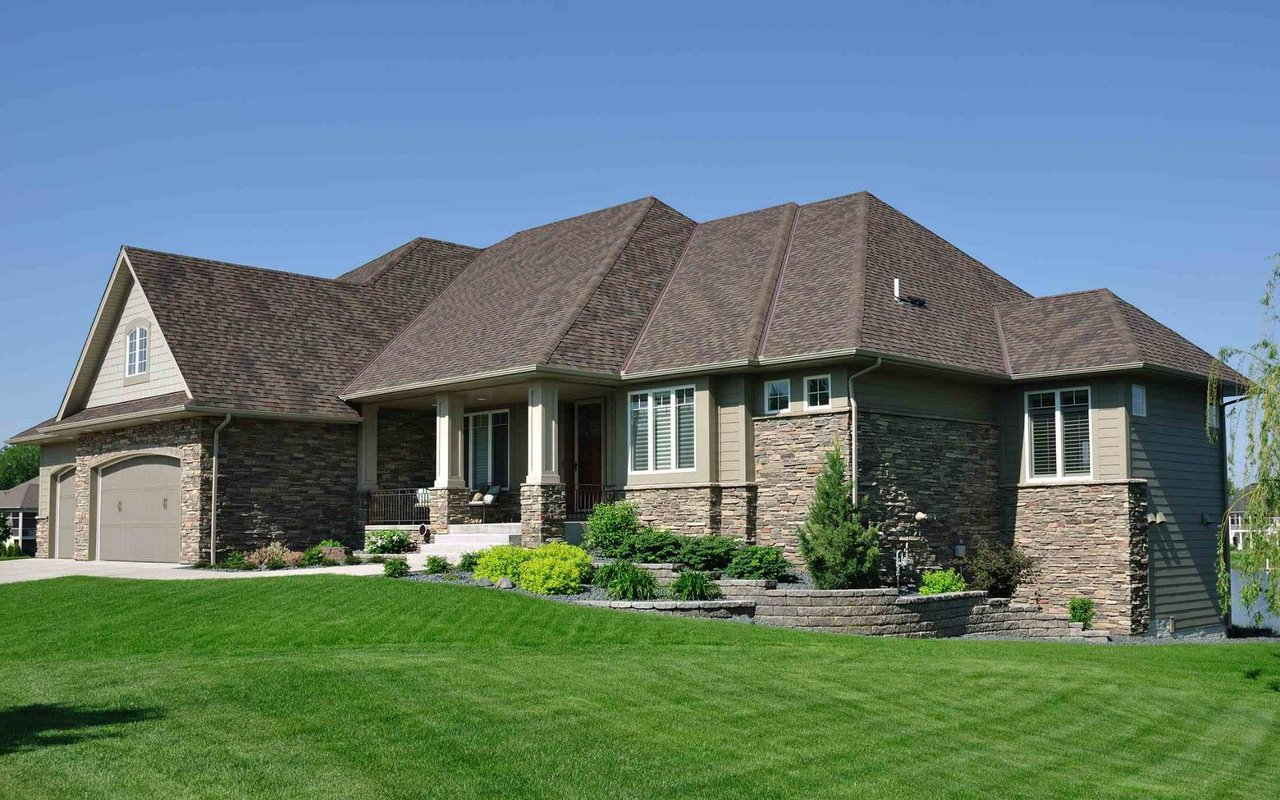
A ranch usually reads as low, wide, and horizontal. A split-level often steps interior living spaces across different floor heights, reflecting a practical response to suburban family life during the postwar years.
These homes can offer advantages that still appeal to buyers today, such as simpler footprints, established lots, and locations within mature neighborhoods. Their architectural value comes less from ornament and more from proportion, function, and their place in the region’s growth pattern.
For sellers, it can help to frame these homes accurately. They are not trying to be 18th-century stone houses. Their appeal often lies in livability, lot size, and the solid suburban planning that defined their era.
Newer custom homes borrow from the past
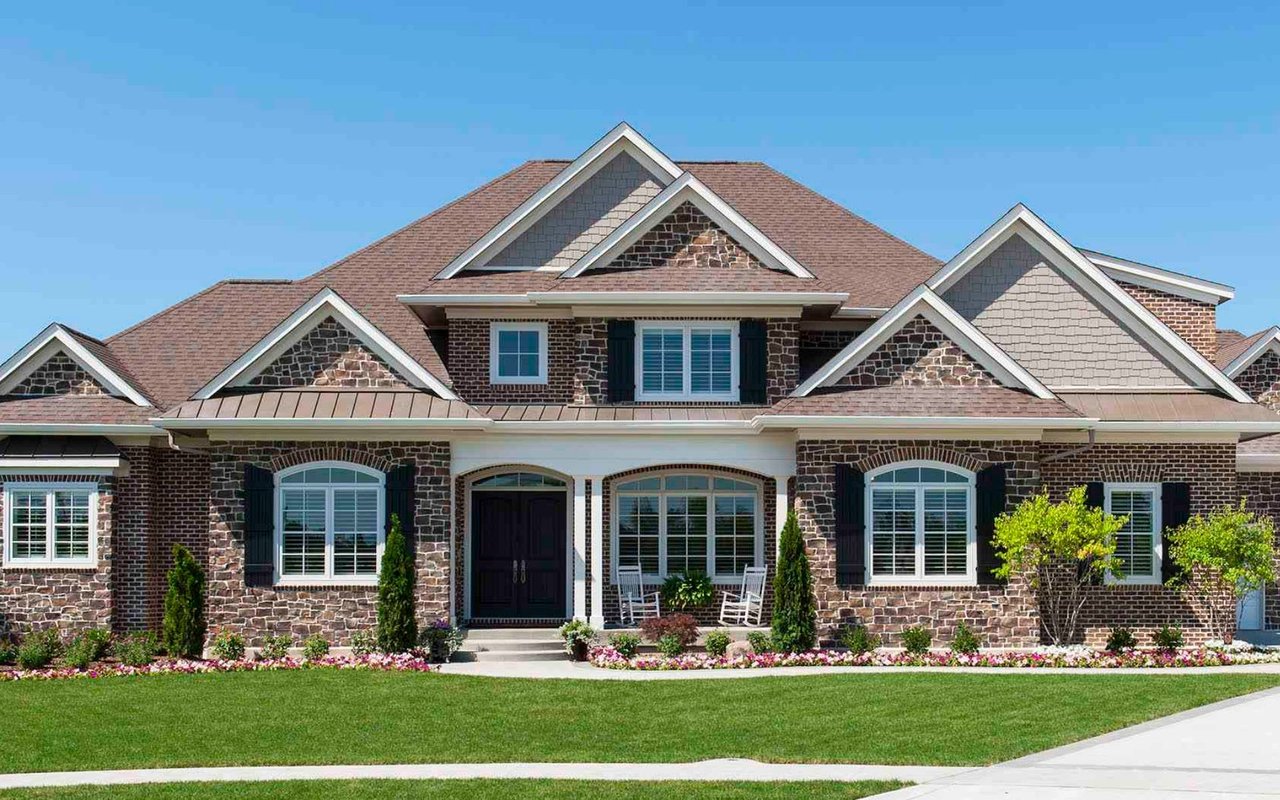
Newer construction in western Lehigh Valley often carries traditional cues forward in updated ways. PHMC notes that later revival styles frequently adapt historic details to modern forms and materials, and that pattern shows up clearly in the area’s newer custom homes.
You may see a symmetrical front elevation, colonial-style entry, shutters, or gables paired with larger floor plans, attached garages, and a more open interior layout. In other words, the house may look traditional at first glance while functioning like a modern home.
This blending of old and new fits the region well. It allows builders and homeowners to echo the architectural language of Lehigh County without creating literal replicas of earlier homes.
For buyers in the upper tier of the market, this is often where style and convenience meet. You can find homes that nod to local history while offering contemporary scale, updated systems, and a layout designed for current living patterns.
What to notice on a home tour
When you walk through homes in western Lehigh Valley, a few visual clues can help you spot the style story more clearly.
Look at materials first
Stone and log point to older local traditions, especially Pennsylvania German forms. Brick or stone with a formal symmetrical facade may suggest Georgian or Federal influence.
Check the facade
A centered entry, evenly spaced windows, and balanced proportions often signal Georgian, Federal, or later Colonial Revival inspiration. Two front doors or smaller irregular openings may point to an earlier vernacular plan.
Notice ornament
Fanlights, sidelights, and delicate trim lean Federal. Shutters, dormers, and columned porches often fit Colonial Revival or neo-colonial houses.
Read the massing
Low horizontal shapes often indicate ranch design. Split-levels usually reveal themselves through staggered floor levels and a more suburban mid-century profile.
Expect overlap
Many homes combine features from several periods. In western Lehigh Valley, that mix is normal and often part of what makes a property distinctive.
Why architecture matters in real estate
Architectural style affects more than looks. It shapes buyer expectations, influences how a home is marketed, and helps explain why one property feels different from another even at a similar price point.
For buyers, style can help you narrow your search based on what matters most to you. You may want the authenticity of a stone farmhouse, the symmetry of a Colonial Revival, the practicality of a ranch, or the scale of a newer custom home with traditional detailing.
For sellers, understanding your home’s style helps position it more clearly. A well-marketed home should highlight the details that make it stand out, whether that is original fieldstone, a formal Federal-inspired entry, or the classic curb appeal of a neo-colonial facade.
In a market as visually layered as western Lehigh Valley, architectural context adds meaning. It helps tell the story of a property in a way that feels grounded, local, and memorable.
If you are considering buying or selling a home with architectural character in Lehigh Valley, The Rebecca Francis Team offers thoughtful, high-touch guidance tailored to the property, the market, and your goals.
FAQs
What architectural styles are most common in western Lehigh Valley?
- The area is best understood as a progression of styles, including Pennsylvania German Traditional homes, Georgian and Federal-era houses, Colonial Revival and neo-colonial homes, postwar ranches and split-levels, and newer custom homes that borrow historic details.
What defines a Pennsylvania German Traditional house in Lehigh County?
- These homes are often built of stone or log and may feature steep roofs, thick walls, small windows, practical layouts, central chimneys, and sometimes a two-door front facade.
How can you tell a Federal-style home from a Georgian home?
- Georgian homes usually emphasize strong symmetry and a formal balanced facade, while Federal homes keep that symmetry but often add lighter ornament such as fanlights, sidelights, Palladian windows, and more delicate trim.
Are most colonial-looking homes in western Lehigh Valley truly colonial?
- Not necessarily. Many homes that appear colonial are actually Colonial Revival or neo-colonial properties built later and inspired by earlier Georgian and Federal designs.
Why are stone homes so common in western Lehigh Valley?
- Central Lehigh County is underlain by limestone and dolomite, which helps explain the long-standing use of stone in local farmhouses, barns, and other historic buildings.
What types of mid-century homes are common in Lower Macungie and nearby areas?
- Postwar neighborhoods often include ranches, split-levels, Cape Cod cottages, minimal traditional houses, raised ranches, and neo-colonial revivals tied to subdivision growth that began in the 1960s.
Why do so many homes in western Lehigh Valley look like a mix of styles?
- PHMC notes that many Pennsylvania buildings are vernacular blends, so it is common for one home to combine an older floor plan or materials with later stylistic details and updates.